
Wine 101
Wine terms making your head spin? Let’s fix that. Here you’ll find simple, friendly explanations of the basics—from sparkling methods to tasting tips. Think: “Wine school, but make it fun, and with snacks."
-
What does volcanic rock do to wine?
Volcanic rock gives wine freshness, structure, and a mineral character. Wines grown on volcanic soils often taste dry, precise, and mouth-watering, with subtle smoky or salty notes. Because these soils drain well, vines grow deep roots, producing focused wines that are highly food-friendly and age well.
-
Discover Unique Japanese wine Grape Varieties
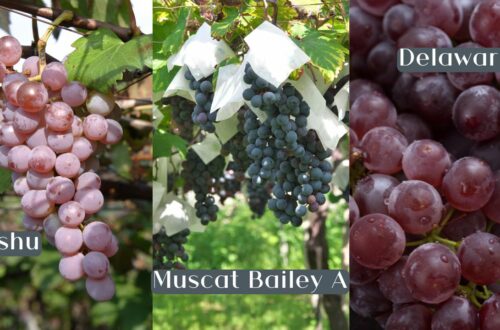
Japanese wine grape varieties are shaped by climate rather than tradition. Instead of relying only on classic European grapes, Japan’s vineyards feature varieties adapted to humid summers and typhoon-prone harvests. The most important grapes include Kōshū, the historic white of Yamanashi known for its fresh and delicate style; Muscat Bailey A, Japan’s most planted red grape created to ripen reliably…
-
Japanese Wine History
Japanese wine history officially began in the 1870s during the Meiji Restoration, when Japan sent its first winemakers to France. However, Japan's connection to grapes dates back over 1,000 years, when Buddhist monks first planted Silk Road vines in Yamanashi. Today, Japanese wine is globally recognized, driven by native grapes like Kōshū and strict geographical quality laws (GIs).
-
The Impact Of Climate On Blaufränkisch In Burgenland
19 minutes read If you’ve ever tried a Blaufränkisch from Austria and then another one — same grape, same country — and felt like they tasted completely different… you’re not imagining it. Blaufränkisch is one of the most expressive red grapes out there. It doesn’t just reflect the soil it grows in — it reacts strongly to climate. In a…
-
What Is the Right Wine Serving Temperature (and Why It Matters More Than You Think)?
Serving wine at the right temperature can make or break your tasting experience. Too cold, and the wine’s aromas are muted; too warm, and all you taste is the alcohol. White wines — whether dry or sweet — should be served fresh, ideally between 7°C and 13°C depending on their body, while reds show their best between 15°C and 18°C.…
-
How does soil affect the taste of wine: A Guide for Curious Drinkers
Soil affects the taste of wine by regulating water drainage, heat retention, and nutrient uptake, which directly influence a grape’s acidity, sugar, and tannin levels. While vines don't "taste" the dirt, soil composition—from water-retentive clay and heat-trapping gravel to mineral-rich volcanic rock—determines the wine's final structure, aromatic intensity, and perceived minerality. Quick Guide to Soil & Flavor: Clay: Produces bold,…
-
Train Your Nose Like a Pro with Le Nez du Vin Masterkit
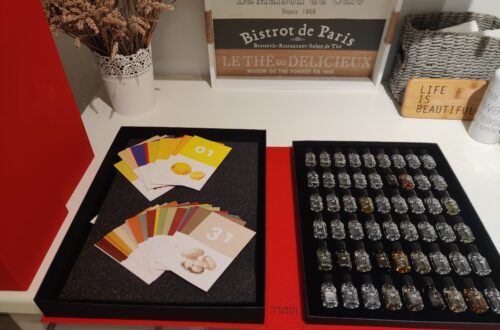
3 minutes read I’ve always found the smelling part of wine tasting the most difficult. In our modern lives, we’re not used to really using our nose anymore! Think about it: when you visit your grandparents in the countryside, fruit smells alive. Back home in the city? Not so much. Industrialization changed not only how fruit tastes — but also…
-
How to taste a wine like a pro (Simple Checklist + Pro Tips)
To taste wine like a pro, start by setting up a quiet, well-lit space with no distracting smells and take notes as you go. Check clarity, color, and intensity by tilting the glass over white paper. Smell first without swirling (the “first nose”), then swirl for deeper aromas (the “second nose”). Try to identify fruity, floral, spicy, or woody notes.…
-
Hi and meet Diane Kanpai!
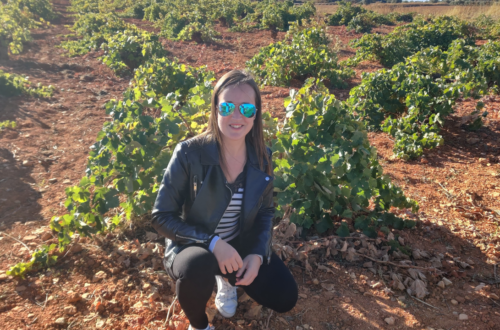
Hey, I’m Diane. My journey into wine began with my family living all over the globe, and I understand how tricky it can be to find the perfect bottles. I’m here to share my tips and stories to help you explore unique, off-the-beaten-path wine regions.