
Discover Unique Japanese wine Grape Varieties
20 minutes read
If you arrive in Japan with Bordeaux and Burgundy quietly setting the rules in your head — Cabernet Sauvignon leading, Chardonnay close behind — you’ll notice very quickly that things work a little differently.
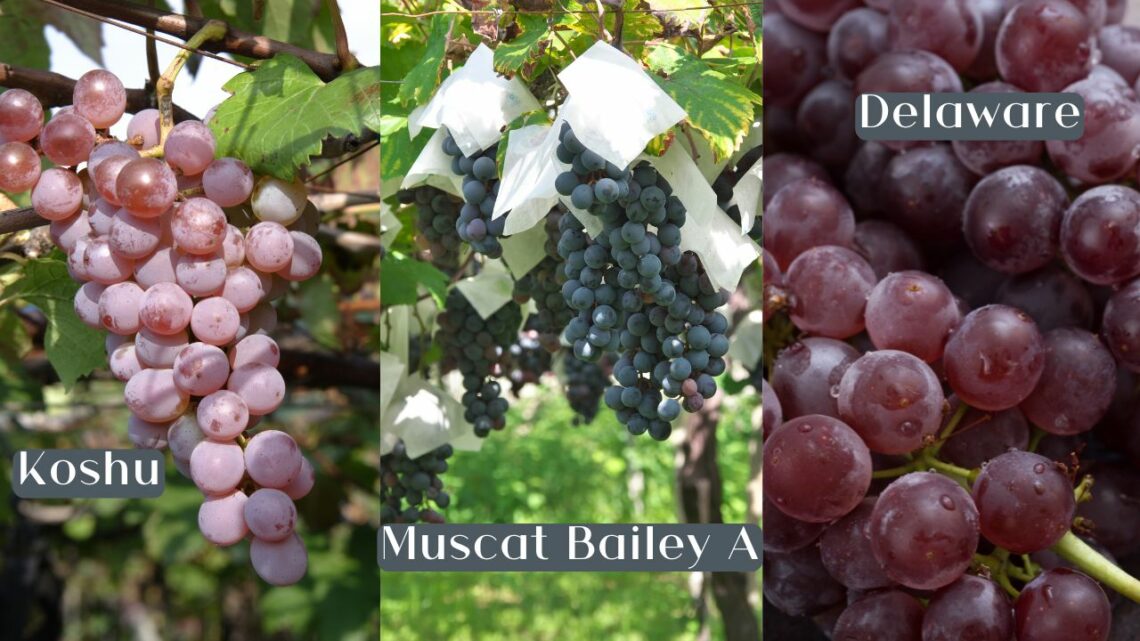
The most planted grapes are Kōshū, Muscat Bailey A, Niagara and Delaware. Not exactly your usual French reference points. And that’s where Japanese wine becomes fascinating.
Japan’s growing season comes with humid summers, a rainy period that often overlaps with véraison, and harvests sometimes interrupted by typhoons. Disease pressure is high. Under these conditions, grapes must ripen reliably, tolerate humidity, and keep their acidity without chasing excessive sugar.
So vineyard choices follow climate before reputation. Once you look at Japanese wine grape varieties through that lens, the diversity suddenly makes sense.
A few names you’ll see often:
- Muscat Bailey A (MBA) – developed in Niigata at Iwanohara and now Japan’s most planted red grape
- Delaware – widely grown, especially in Yamagata, used for both still and sparkling wines
- Kōshū – the historic white grape of Yamanashi, produced as still, sparkling, and sometimes orange wine
Japanese wine grape varieties are shaped by climate rather than tradition. Instead of relying only on classic European grapes, Japan’s vineyards feature varieties adapted to humid summers and typhoon-prone harvests. The most important grapes include Kōshū, the historic white of Yamanashi known for its fresh and delicate style; Muscat Bailey A, Japan’s most planted red grape created to ripen reliably in humid conditions; Delaware and Niagara, labrusca-influenced grapes well suited to pergola vineyards; and European varieties such as Chardonnay, Merlot and Pinot Noir, grown in cooler regions like Nagano and Hokkaido.
- A Brief History of Grapes in Japan
- What Are the Main Japanese Grape Varieties?
- 1. Kōshū and the Historic Core of Japanese White Wine
- 2. Domestically Bred Varieties: Muscat Bailey A and Innovation
- 3. Labrusca-Influenced Varieties: Niagara, Concord, Delaware and Campbell Early
- 4. European Vinifera in Japan: Chardonnay, Merlot and Beyond
- Conclusion : What grapes are used in Japanese wine?
A Brief History of Grapes in Japan
Since we’re talking about grapes, here’s a small piece of vocabulary for you: the Japanese word for grape is budō.
Long before wine existed in Japan, wild grapevines called Yamabudō (“mountain grapes”) grew across north-east Asia. These vines, related to Vitis coignetiae, had been present for thousands of years. They weren’t used for fine wine, but they remind us of something important:
Japan’s relationship with grapes didn’t start with Europe. However, wine came much later.
The first grape truly linked to winemaking was Kōshū, believed to have arrived around the eighth century through trade routes connected to the spread of Buddhism. Over centuries it settled in Yamanashi, adapted to local conditions, and never disappeared.
Today it remains Japan’s most planted white wine grape — an impressive continuity.
Between the 1500s and 1800s, additional varieties arrived, mostly grown as table grapes rather than for wine. For centuries, grapes in Japan were fruit first, wine second.
Serious winemaking began in the late nineteenth century, when Japan opened more widely to Western influence and European grapes were introduced with clear winemaking ambitions.
Around the same time, North American vines and rootstocks were also imported, partly as protection against phylloxera. Their natural resistance to disease proved useful in Japan’s humid climate, and they became a lasting part of the vineyard landscape.
Then, in the 1980s, quality became the priority.
Winemakers increasingly focused on European vinifera grapes such as Chardonnay and Merlot. Yet this push toward international standards didn’t erase local varieties. Instead, producers began rediscovering the potential of Kōshū and Muscat Bailey A, treating them not as compromises but as grapes capable of expressing Japanese terroir.
Japanese viticulture didn’t follow a single model. It accumulated layers:
- native vines
- table grapes
- imported European varieties
- North American protection
- domestic breeding
- and later a focus on quality
That layered history explains why today you might find Kōshū next to Chardonnay, Muscat Bailey A next to Merlot, and even labrusca grapes grown in the same country as Pinot Noir.
What Are the Main Japanese Grape Varieties?
According to national vineyard statistics, the most planted white grapes in Japan are:
- Kōshū
- Niagara
- Delaware
- Chardonnay
On the red side, the main grapes are:
- Muscat Bailey A
- Merlot
- Concord
- Campbell Early
As you see, European grapes such as Chardonnay, Merlot and Cabernet Sauvignon are present, but they represent only part of the vineyard landscape. Japan’s wine identity was never built exclusively on imported varieties.
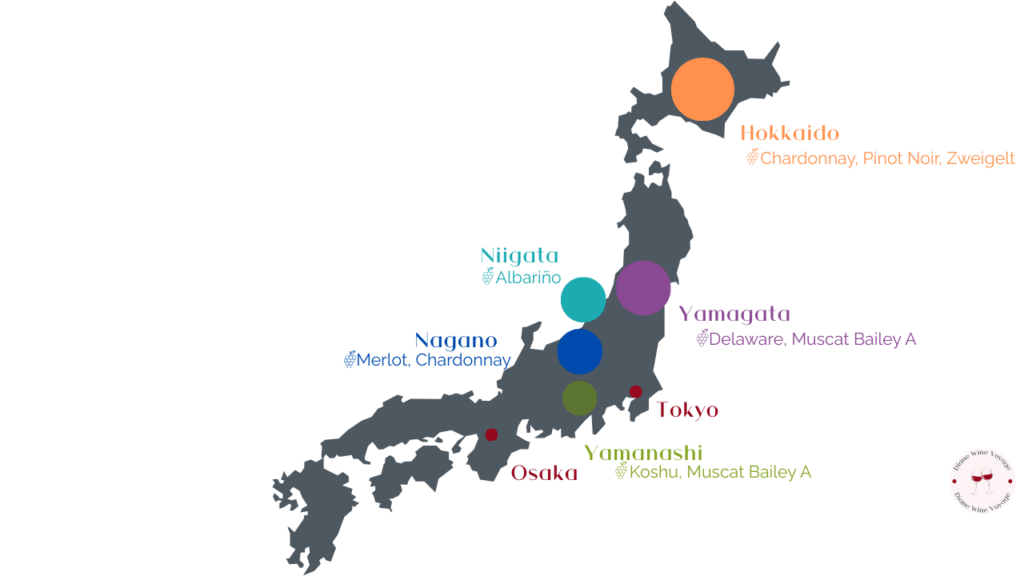
Beyond the major names, you’ll also encounter grapes such as: Kerner, Sauvignon Blanc, Müller-Thurgau, Bacchus, Portland, Seibel 9110, Yama Sauvignon, Rondo, Zweigelt, Black Queen and Kyoho.
At first glance, this might look like a random mix.
But once you consider climate, geography and experimentation, the logic becomes clearer. Some grapes thrive because they tolerate humidity. Others because altitude suits them. Others were bred or introduced to solve very specific challenges.
The easiest way to understand Japanese vineyards is to group them into four families.
Want a detailed map showing where Japan’s key wine grapes thrive? I’ve created a printable version you can download below.
1. Kōshū and the Historic Core of Japanese White Wine
If there’s one grape to remember, it’s Kōshū.
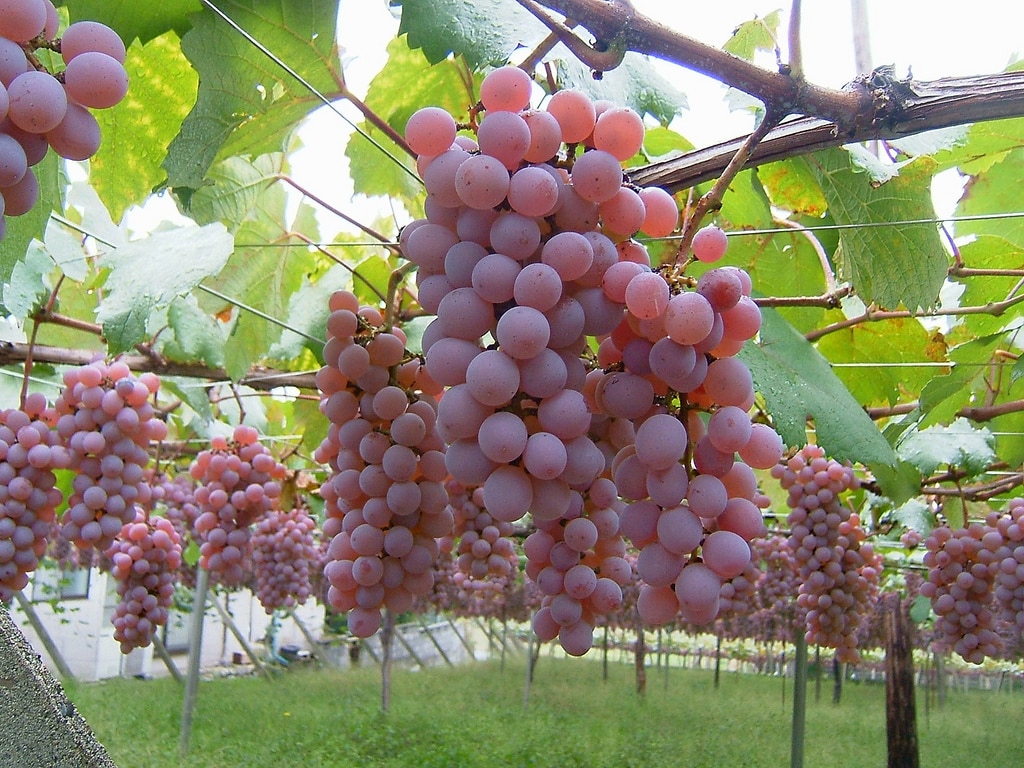
It’s the historic white of Yamanashi and technically a member of Vitis vinifera. But it doesn’t behave like the European grapes you might expect.
In the glass, Kōshū is about freshness and subtlety.
Think:
- citrus peel
- white flowers
- sometimes a slightly saline note
Alcohol is usually moderate (often under 12%), and acidity carries the wine.
This style makes sense when you look at the climate. With humidity and rain close to harvest, aiming for very ripe, powerful wines simply isn’t practical.
The first time I tasted Kōshū, I tried to place it in my mental library.
Riesling? Not quite.
Sauvignon Blanc? Not really. It didn’t fit neatly into my French references. But one thought came very quickly: this is my oyster wine.
I live in the south of France, where summer means boat days and long apéros under real heat. Under that sun, a 14% white wine can feel like hard work.
Kōshū didn’t.
It was light, refreshing, slightly saline — and incredibly easy to drink while still feeling structured. That’s when I stopped trying to compare it and simply accepted it for what it was.
Secret Wine Tip : If you’re tasting Kōshū for the first time, try it with seafood. Its moderate alcohol, fresh acidity and slightly saline edge make it an incredible match for oysters, sashimi or grilled fish. Think of it as Japan’s answer to Muscadet — subtle, refreshing and perfect when the weather is warm.
2. Domestically Bred Varieties: Muscat Bailey A and Innovation
Muscat Bailey A (MBA) is Japan’s most planted red grape.
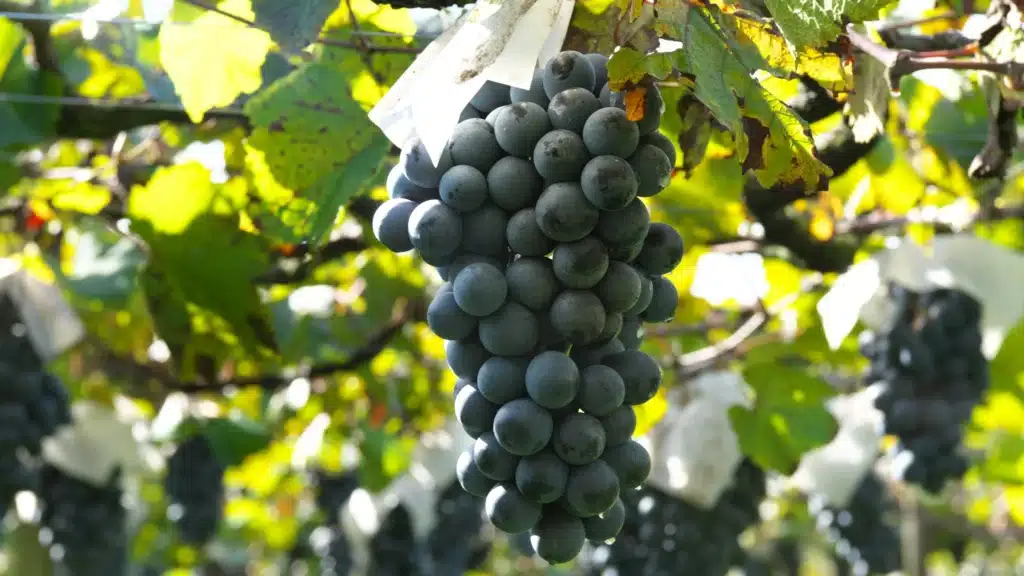
It was developed in 1927 in Niigata at the Iwanohara vineyard with a very clear objective: create a grape that actually ripens reliably in Japan’s humid conditions.
Late-ripening Bordeaux grapes weren’t always successful.
So instead of forcing Cabernet Sauvignon to behave like it does in Médoc, Japanese growers created something better suited to their climate.
In the glass, Muscat Bailey A often shows:
- red cherry
- strawberry
- soft tannins
- moderate structure
It’s sometimes compared to Gamay, although MBA often has a slightly floral lift that gives it its own personality.
What I find fascinating about Muscat Bailey A is its flexibility. Some bottles are bright, juicy and joyful — perfect slightly chilled. Others, when yields are controlled and extraction is careful, develop real structure and depth. Same grape. Very different expressions.
I once opened a bottle for my sister, who had spent years saying she “didn’t like red wine.” One glass of Muscat Bailey A later, that sentence quietly disappeared. From that point on, it became her reference red.
When a grape can change someone’s perception like that, it’s worth paying attention.
Beyond MBA, Japan has also developed grapes such as Black Queen (known for deeper colour and acidity) and Yamasachi, cultivated in Hokkaido for cooler conditions.
The logic is always the same: adapt the grape to the place — not the other way around.
Secret Wine Tip: when exploring Japanese red wines, start with Muscat Bailey A slightly chilled (around 12–14°C). Its juicy red-fruit profile and soft tannins make it behave a bit like a Gamay or a light Pinot Noir — which means it works beautifully with charcuterie, yakitori or even a simple roast chicken.
3. Labrusca-Influenced Varieties: Niagara, Concord, Delaware and Campbell Early
Niagara, Concord and Campbell Early remain among the most planted grapes in Japan. Delaware, although genetically more complex, is often grouped alongside them.
These grapes are linked to Vitis labrusca, an American species different from European vinifera.
From a growing perspective, that difference matters.
Labrusca grapes generally:
- tolerate humidity better
- resist fungal disease more easily
- cope well with Japan’s challenging summers
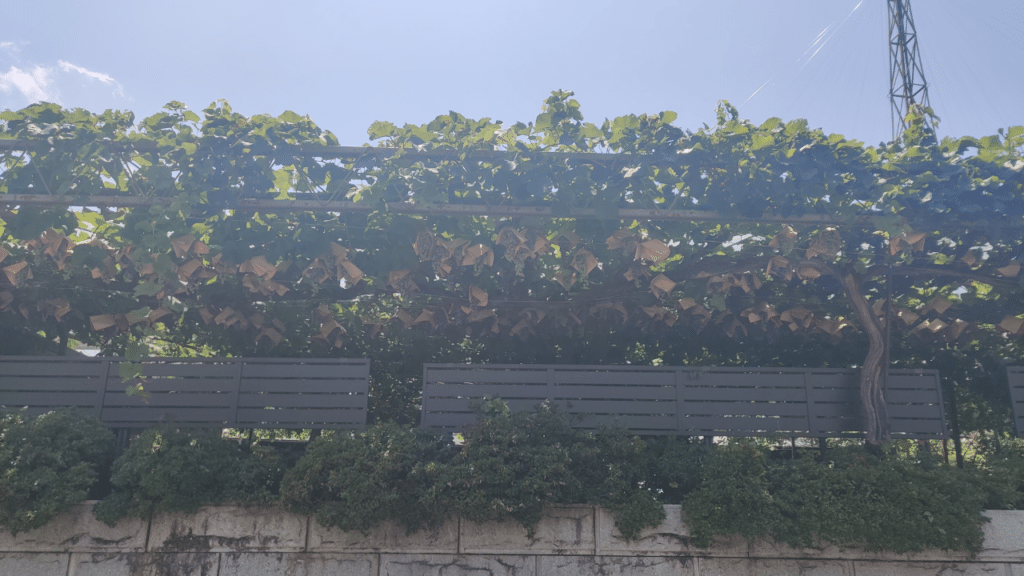
They also work well with pergola training, where vines grow overhead to improve airflow and reduce moisture around the fruit. If you’ve seen photos of Japanese vineyards with beautiful green ceilings above the rows, that’s not decorative. It’s practical.
For many years these grapes also shaped Japan’s domestic wine culture, producing aromatic, fruit-forward wines that suited local tastes.
Delaware, in particular, plays an important role in sparkling wine production. In regions where rain near harvest increases the risk of rot, pushing grapes toward very high sugar levels is risky. Sparkling wine, on the other hand, works perfectly with moderate ripeness and bright acidity.
4. European Vinifera in Japan: Chardonnay, Merlot and Beyond
European grapes are present in Japan — but carefully placed.
Chardonnay is one of the most widely planted vinifera whites and often serves as a quality benchmark.
Merlot has adapted particularly well in Nagano.
Cabernet Sauvignon exists too, though it can struggle in humid conditions.
Altitude in Nagano helps moderate summer temperatures and preserve acidity, which benefits grapes like Merlot and Chardonnay.
Further north, Hokkaido offers cooler conditions and lower humidity, making grapes such as:
- Pinot Noir
- Zweigelt
- Kerner
- Müller-Thurgau
more viable.
You’ll also see smaller plantings of Sauvignon Blanc, Bacchus, Rondo, Yama Sauvignon, Seibel 9110 and Portland.
Conclusion : What grapes are used in Japanese wine?
If you want a simple framework for Japanese grape varieties, remember this:
- Kōshū – the historic white of Yamanashi, known for freshness and balance
- Muscat Bailey A – the most planted red, created to thrive in humid conditions
- Niagara, Delaware, Concord and Campbell Early – labrusca grapes adapted to Japan’s climate
- European grapes like Chardonnay, Merlot and Pinot Noir – grown selectively in regions such as Nagano and Hokkaido
Japanese vineyards reflect a clear equation: humidity, disease pressure, variable ripening windows and strong regional differences.
Too often, Japanese grape varieties are judged through European hierarchies before they’re even tasted.
But once you understand the logic behind them — humidity, altitude, experimentation and regional identity — the wines stop feeling unusual.
They start feeling perfectly at home in their environment.
And that’s when the real discovery begins.
Because the world of wine is far bigger than Bordeaux.
Sometimes the most exciting bottles are waiting exactly where you didn’t expect them.
FAQ: Japanese Grape Varieties
What is the most common grape in Japanese wine?
Muscat Bailey A is the most planted red grape in Japan, while Kōshū is the most important traditional white grape.
Is Kōshū related to European grapes?
Yes. Kōshū belongs to the Vitis vinifera family but has adapted to Japanese climate conditions over centuries.
Where are European grapes grown in Japan?
European varieties like Chardonnay and Merlot grow successfully in cooler regions such as Nagano and Hokkaido.
Curious where Japan’s most important wine grapes grow?
I’ve created a free illustrated map of Japanese wine regions and grapes so you can see at a glance where Kōshū, Muscat Bailey A, Delaware and Pinot Noir thrive.
Where to next?
Exploring Yamanashi: The Heart of Japanese Winemaking
A deep dive into Japan’s most famous wine region, covering its wineries, grape varieties, and winemaking traditions.
A quick guide to the main wine regions in Japan: What You Need to Know
A more general overview for readers new to Japanese wines, covering the wine regions and wine styles


You May Also Like
Matching Japanese Red Wines With Your Meal
The Best Food To Pair With Japanese White Wine