
Grapes
Ever stared at a Japanese wine label and thought “OK… but what am I drinking?”
This is your answer.
Here you’ll meet the main Japanese grape varieties, from Koshu to hybrid grapes, explained simply, with what they taste like and what food actually works with them.
Start here :
The main grape varieties in Japan
-
What is Koshu similar to?
Kōshū is Japan’s signature white wine, defined by high acidity, low alcohol (10-12%), and a distinctive saline precision. Often compared to Muscadet or Albariño, it offers a delicate profile of yuzu and mineral notes. Whether produced in a crisp "Sur Lie" style or as a structured orange wine, Kōshū is the ultimate companion for oysters and seasonal seafood.
-
The Best Food To Pair With Japanese White Wine
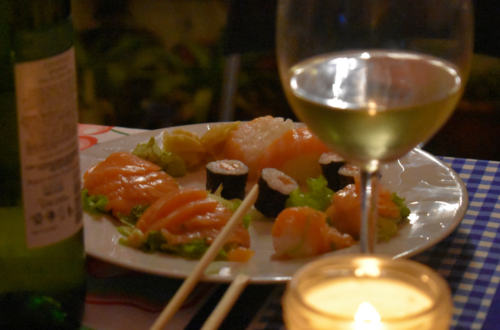
Looking for the best food to pair with Japanese white wine? Koshu pairs beautifully with sushi, while Kerner cuts through crispy tempura. Albariño enhances grilled shellfish, and Koshu Sur Lie complements creamy Japanese dishes. Sparkling Delaware balances sweet-savory flavors like teriyaki and fried street food.
-
Matching Japanese Red Wines With Your Meal
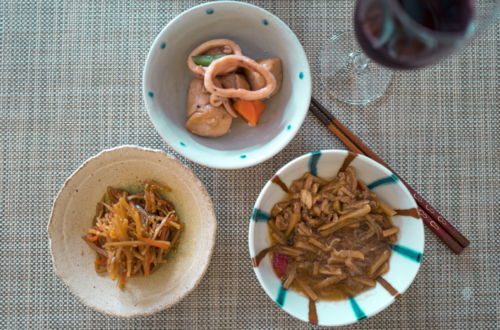
What is the best Japanese red wine for food pairing? The best Japanese red wine for food pairing depends on the dish, but Muscat Bailey A is the most versatile. Its juicy strawberry and cherry notes, soft tannins, and bright acidity make it a perfect match for ramen, yakitori, and grilled meats. For richer dishes like Wagyu steak, Japanese Cabernet…
-
Discover Unique Japanese wine Grape Varieties
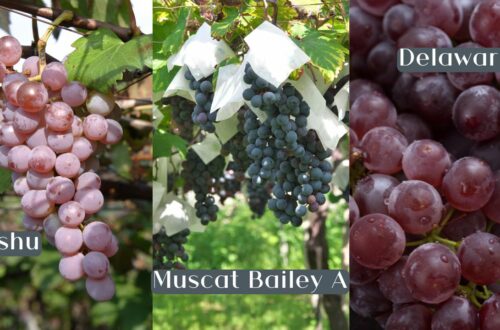
Japanese wine grape varieties are shaped by climate rather than tradition. Instead of relying only on classic European grapes, Japan’s vineyards feature varieties adapted to humid summers and typhoon-prone harvests. The most important grapes include Kōshū, the historic white of Yamanashi known for its fresh and delicate style; Muscat Bailey A, Japan’s most planted red grape created to ripen reliably…