
Japan
When people think of Japanese drinks, wine is rarely the first thing that comes to mind.
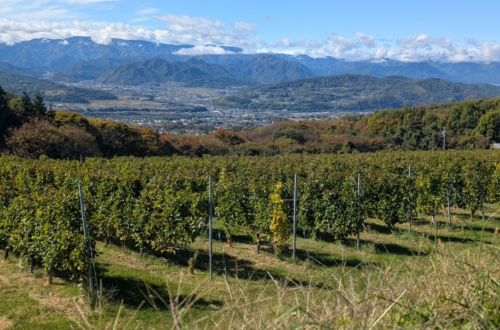
Yet across Japan — from Hokkaidō in the north to Yamanashi, Nagano, and beyond — a quiet wine revolution is taking place. Passionate winemakers are experimenting with local grape varieties, adapting to Japan’s challenging climate, and crafting wines that express a uniquely Japanese sense of place.
On Diane Wine Voyage, this section is dedicated to exploring the fascinating world of Japanese wine and making it more accessible to curious wine lovers everywhere.
Here you’ll find articles that help you:
-
Discover Japan’s key wine regions, including Yamanashi, Nagano, and Hokkaidō
-
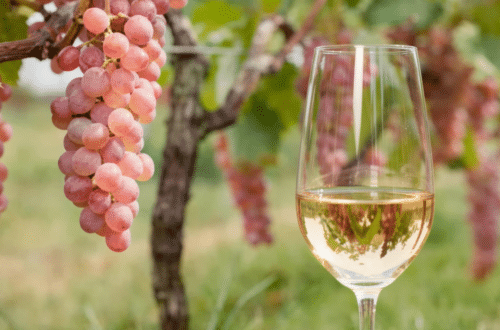
Learn about Japanese grape varieties such as Koshu, Muscat Bailey A, and Delaware
-
Explore wineries and producers shaping the future of Japanese wine
-
Get inspiration for wine travel in Japan, from vineyard visits to wine bars
Japanese wine is still relatively under the radar internationally, which makes discovering it all the more exciting.
If you’re curious about what’s happening in Japan’s vineyards — or simply enjoy discovering wines beyond the usual regions — you’re in the right place.
-
What 30 Years Crisscrossing Japan’s Vineyards Taught Me About Its Wines
Olivier Derenne, who's spent 170 days a year in Japan for three decades importing wine under the Nishikidôri name, says Japanese wine isn't a recent trend (Suntory planted the first vines in 1899) or a copy of European styles, it's suited to its own terrain and climate, bears included. Hokkaido plays Burgundy's role, with the ultra-restrictive Takahiko Soga estate as…
-
What Shintoism Taught Me About Japanese Wine
At Galerie K, Master Sake Sommelier and Kura Master founder Kei Miyagawa traces Japanese wine back to Shinto. This is why Koshu is meant to be drunk the moment it arrives, not aged. French cuisine's shift over the last 36 years, less salt and sugar, more acidity and umami, has landed it on exactly the terrain Japanese wine was always…
-
Where to Find Japanese Wine in France?
Where can you actually find Japanese wine in France? After reaching out to wine shops, combing through restaurant menus, and checking online retailers, and ruling out plenty of dead ends (sake mistaken for wine, listings that only exist on paper), here is a short but twice-verified list: three restaurants (Enyaa, Le 228L, La Cachette), three physical wine shops (Umami /…
-
The Yamagata wine region : where food came first, and wine followed
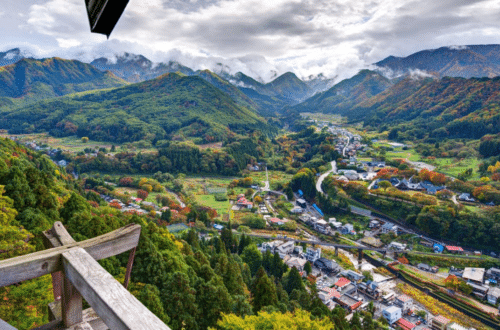
Located in the Tōhoku region of north-east Japan, Yamagata ("mountain form") is Japan's fourth-largest wine-producing region and one of its most historically rooted. Home to 23 wineries across three distinct sub-regions — the coastal Shōnai plain, the central Murayama basin, and the volcanic Okitama basin — the prefecture is best known for its Delaware grape, which it grows better than…
-
Niigata Wine Region: Japan’s Best-Kept Secret on the Sea of Japan Coast
The Niigata wine region is one of Japan's oldest and most distinctive, with over 130 years of history on a sandy coastline facing the Sea of Japan. Home to twelve wineries, its signature grape is Albariño — an unexpected choice that makes complete sense given the wet climate, sea breezes, and low-fertility soils. The story begins in 1890 with Zenbei…
-
Snow, Grapes, and Grit: Discovering the Hokkaido Wine Region
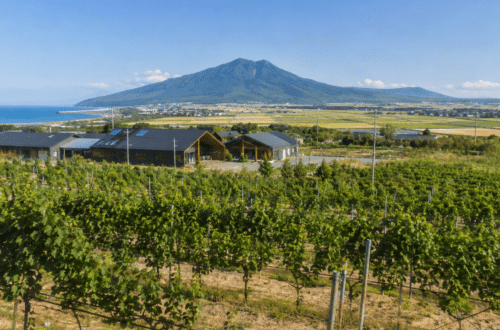
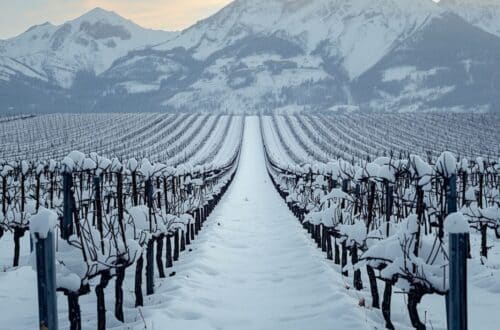
The Hokkaido wine region is Japan's coolest — literally — wine frontier. Located on Japan's northernmost island, it rivals Nagano as the country's second-largest wine region and earned its GI status in 2018. Despite brutal winters that force growers to bury their vines under snow each year, Hokkaido produces elegant, high-acid wines from varieties like Pinot Noir, Zweigelt, and Kerner…
-
Nagano Wine Region : The Future of Japanese Wine
The Nagano wine region, located in central Japan, is one of the country’s most important wine-producing areas. Known for its high-altitude vineyards, cool climate, and diverse terroirs, Nagano is divided into five main valleys: Kikyogahara, Chikumagawa, Nihon Alps, Tenryugawa, and Yatsugatake. The region is especially recognized for its Merlot and Chardonnay, which benefit from strong day–night temperature variation and low…
-
What is Koshu similar to?
Kōshū is Japan’s signature white wine, defined by high acidity, low alcohol (10-12%), and a distinctive saline precision. Often compared to Muscadet or Albariño, it offers a delicate profile of yuzu and mineral notes. Whether produced in a crisp "Sur Lie" style or as a structured orange wine, Kōshū is the ultimate companion for oysters and seasonal seafood.
-
The Most Complete Guide to Japanese Wine
Japanese Wine: A History, Regions, Wineries and Varieties is the most comprehensive English-language guide to Japanese wine. It explores Japan’s wine history, regions from Hokkaidō to Okinawa, 700+ producers, and more than 130 grape varieties. The book also includes winery itineraries, wine bars, maps, and Japanese wine vocabulary for travelers and enthusiasts.
-
Where can I taste Japanese wines in Tokyo? | 3grapes
If you’re travelling to Tokyo and want to taste Japanese wine (not sake, not whisky), this guide introduces 3grapes, a wine bar and tasting space designed for visitors. Located in central Tokyo and open every day, 3grapes offers English-guided tastings where you discover five Japanese wines from different regions in about 75 minutes, with three experience levels (wine only, with…