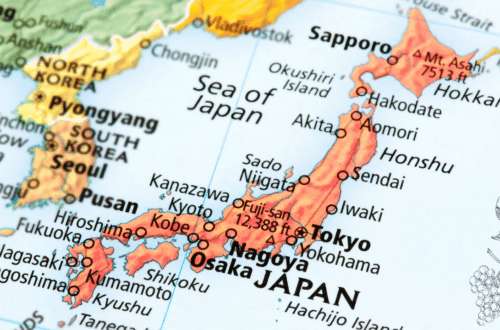

Japan
When people think of Japanese drinks, wine is rarely the first thing that comes to mind.
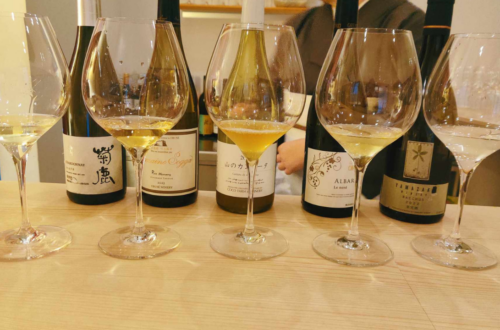
Yet across Japan — from Hokkaidō in the north to Yamanashi, Nagano, and beyond — a quiet wine revolution is taking place. Passionate winemakers are experimenting with local grape varieties, adapting to Japan’s challenging climate, and crafting wines that express a uniquely Japanese sense of place.
On Diane Wine Voyage, this section is dedicated to exploring the fascinating world of Japanese wine and making it more accessible to curious wine lovers everywhere.
Here you’ll find articles that help you:
-
Discover Japan’s key wine regions, including Yamanashi, Nagano, and Hokkaidō
-
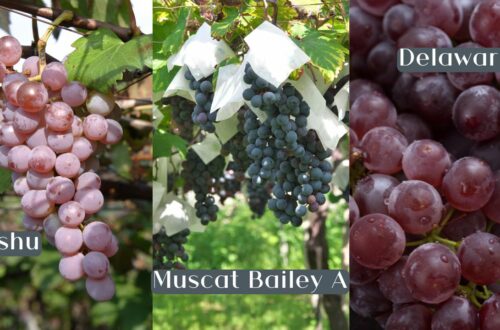
Learn about Japanese grape varieties such as Koshu, Muscat Bailey A, and Delaware
-
Explore wineries and producers shaping the future of Japanese wine
-
Get inspiration for wine travel in Japan, from vineyard visits to wine bars
Japanese wine is still relatively under the radar internationally, which makes discovering it all the more exciting.
If you’re curious about what’s happening in Japan’s vineyards — or simply enjoy discovering wines beyond the usual regions — you’re in the right place.
-
What does volcanic rock do to wine?
Volcanic rock gives wine freshness, structure, and a mineral character. Wines grown on volcanic soils often taste dry, precise, and mouth-watering, with subtle smoky or salty notes. Because these soils drain well, vines grow deep roots, producing focused wines that are highly food-friendly and age well.
-
What are some good Japanese wines?
I just got back from the Salon des Vins Japonais in Beaune, and let me tell you — Japanese wine is having a moment. If you’ve been curious but don’t know where to start, don’t worry — I’ve got you covered. Instead of overwhelming you with wine theory, I’m sharing the standout producers, who make some of the best Japanese…
-
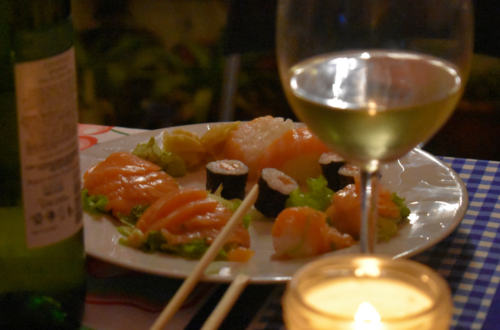
The Best Food To Pair With Japanese White Wine
Looking for the best food to pair with Japanese white wine? Koshu pairs beautifully with sushi, while Kerner cuts through crispy tempura. Albariño enhances grilled shellfish, and Koshu Sur Lie complements creamy Japanese dishes. Sparkling Delaware balances sweet-savory flavors like teriyaki and fried street food.
-
Matching Japanese Red Wines With Your Meal
What is the best Japanese red wine for food pairing? The best Japanese red wine for food pairing depends on the dish, but Muscat Bailey A is the most versatile. Its juicy strawberry and cherry notes, soft tannins, and bright acidity make it a perfect match for ramen, yakitori, and grilled meats. For richer dishes like Wagyu steak, Japanese Cabernet…
-
Best Japanese Wine Bars In Tokyo
If you’re in Tokyo and looking to explore Japanese wine, you might be surprised by how tricky it is to find wine bars specializing in domestic wines. But don’t worry—I’ve done the hard work for you! From intimate counters to stylish spots, this post guides you to the best places to taste Japanese wines in Tokyo. Practical tips and personal…
-
The Salon des Vins Japonais in Beaune
Curious about Japanese wine? The Salon des Vins Japonais is your chance to explore over 130 wines from 45 wineries, meet 14 winemakers, and dive into a unique fusion of Japanese and French wine cultures. Mark your calendar for Sunday, February 9, 2025, at La Chapelle de l’Oratoire in Beaune, from 11 am to 7 pm. Tickets are just 9€,…
-
Discover Unique Japanese wine Grape Varieties
Japanese wine grape varieties are shaped by climate rather than tradition. Instead of relying only on classic European grapes, Japan’s vineyards feature varieties adapted to humid summers and typhoon-prone harvests. The most important grapes include Kōshū, the historic white of Yamanashi known for its fresh and delicate style; Muscat Bailey A, Japan’s most planted red grape created to ripen reliably…
-
Where to taste Japanese wine in Tokyo? My secret address!
8 minutes read Ever stumbled upon a hidden gem in Tokyo that completely changes your perspective? Last night, I discovered an incredible Japanese wine bar tucked away in the heart of Tokyo. The hunt to find it was an adventure in itself, but it was worth every step. This tiny, unassuming place is now my go-to spot to taste Japanese…
-
Yamanashi Wine Region: The Ultimate Guide to Japan’s Wine Capital
The Yamanashi wine region is Japan’s undisputed wine capital, producing nearly a third of the country's domestic wine. Located in the Kofu Basin just 90 minutes from Tokyo, its mountain-shielded terroir and well-drained soils make it the perfect home for Japan's signature Koshu and Muscat Bailey A grapes.
-
The main wine regions in Japan : A Quick Guide
The main wine regions in Japan are Hokkaido, Nagano, and Yamanashi. Together, they form the core of Japanese wine production, each shaped by distinct climates, soils, and grape choices. Yamanashi is the historic heart of Japanese wine and home to the Koshu grape. Nagano is known for high-altitude vineyards producing fresh, precise wines. Hokkaido’s cool climate has made it Japan’s…