

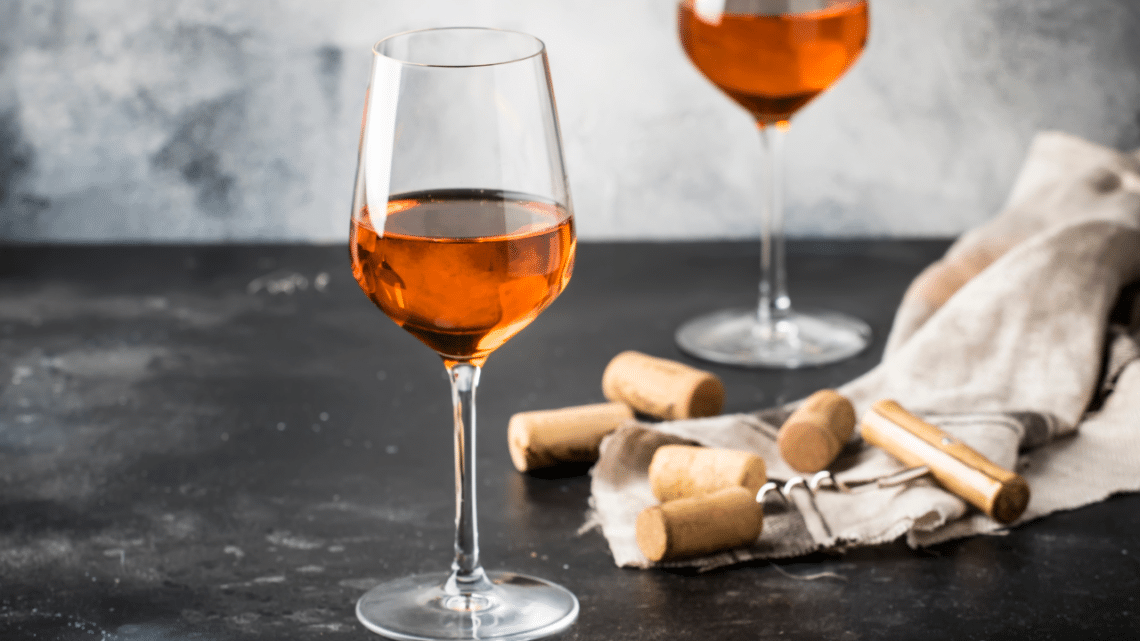
The Wine Style You Didn’t Know You Needed
7 minutes read
Let’s be honest: Halloween isn’t just about candy. It’s also the perfect excuse to open something… unexpected.
This year, skip the usual reds and whites. It’s time to get into something a little weird, a little wild — and totally delicious.
Let’s talk about orange wine for the curious.
This bold, skin-contact style isn’t made from oranges (promise!) — but it is perfect for anyone who’s a little tired of the usual rosés and Sauvignons. Complex yet approachable, orange wine offers texture, depth, and character, without the weight of a red or the sharp edge of a white.
To celebrate Halloween — or simply your next dinner party — I’ve picked 4 Austrian orange wines that will spark your curiosity and surprise your taste buds. If you’re craving something new, this is your sign.
First, what is Orange Wine?
It’s actually a style of white wine, but with a twist.
Orange wine is created by fermenting white grapes with their skins on, similar to how red wines are made. This process is known as skin contact. It’s what gives orange wine its deep, amber hue and a flavor profile that’s like nothing else.
How is Orange Wine Made and what is the difference with rosé?
Typically, to make white wines, you quickly separate the juice from the grape skins to keep the color light and the flavors crisp.
But with orange wine, you leave the the juice to sit with the grape skins, seeds, and sometimes even stems. This allows the wine to absorb color, texture, and tannins from the skins. This skin contact can last anywhere from a few days to several months. This results in that characteristic amber or orange shade that gives the wine its name.
We can say : orange wines are the red wine version of a white wine if you wish.
What is the difference between rosé and orange wine? Well basically, rosé is done the same way…but with red grapes and for a smaller amount of time.
What Does Orange Wine Taste Like?
Imagine a crossover between a rich, structured red wine and a bright, aromatic white. The result? A wine that’s complex, with layered flavors and a bit of tannic grip—something you don’t usually find in whites.
Here are some tasting notes you might notice with orange wine:
- Fruity and Dried Fruit Flavors: Dried apricot, peach, and citrus peel are common.
- Herbal and Floral Notes: Orange wine often carries a subtle hint of herbs, chamomile, and even a slight nuttiness.
- Earthy and Savory Undertones: Thanks to the skin contact, expect a bit of earthiness or spiciness, especially in natural or biodynamic wines.
Whether you’re into crisp whites or bold reds, orange wine offers a little bit of both.
Where is Orange Wine From?
Orange wine has a long history, originating thousands of years ago in the country of Georgia (Caucasus), where winemakers still follow ancient techniques using large clay vessels called qvevri.
Over the years, its popularity blossomed, spreading to Slovenia, Italy, and eventually France, earning the title ‘Orange Wine’ in 2000—thanks to a movement started in the United States.
Today, countries like Slovenia, Italy, the US, South Africa, New Zealand, and France are all making their mark with this expressive style.
In France, for instance, regions like the Loire, Jura, and Languedoc make a lot of orange wine each with their own distinctive interpretations. Since the term ‘orange wine’ isn’t tied to specific grape varieties, any region with white grapes can venture into this fascinating world.
So, when it comes to orange wines, variety is the name of the game!
How to Pair Orange Wine?
Orange wines are incredibly versatile when it comes to food pairings. Their bolder structure and tannins make them perfect for dishes that might typically pair with either red or white wine.
Here are a few pairing ideas for my orange wine recommendations:
- Cheese & Charcuterie: Orange wines love a cheese board! Try it with aged cheeses, nuts, and even a bit of charcuterie.
- Middle Eastern and Asian Cuisine: Think falafel, hummus, or curries. The complexity of orange wine holds up beautifully against bold spices.
- Autumn Flavors: Roasted root vegetables, squash, and hearty stews are amazing with the earthy tones in orange wine.
4 orange wines to discover now
Orange wine brings the cozy texture of red wine with the freshness of whites. It pairs like a dream with autumn dishes (squash, spices, roasted anything) — and that amber glow looks gorgeous on your Halloween table.
Heinrich Naked Orange NV
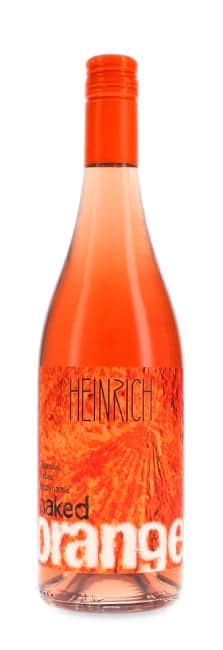
Who makes it?
Gernot and Heike Heinrich are pioneers of Austria’s natural wine scene. From their Burgenland base, they’ve built a reputation for bold, biodynamic expressions — always with character, always with soul.
What’s in the bottle?
A skin-contact white blend: 35% Chardonnay, 30% Pinot Blanc, 20% Pinot Gris, 10% Traminer, and 5% Muscat. Fermented with native yeasts, macerated for two weeks on the skins, and aged in clay and oak without fining or filtration. Just a touch of sulfur before bottling.
What to expect?
Peach, dried apricot, and chamomile meet a subtle earthy grip. Think of it as a white wine that decided to dress up as a red for Halloween.
Expert take:
Thanks to its skin contact and time in amphora and wood, this wine gains texture without losing freshness. It’s vibrant, slightly nutty, and endlessly drinkable — a great first step into the world of orange wine.
Pair it with:
Pumpkin risotto, roasted chicken, or your Halloween cheese board.
Heinrich Graue Freyheit

Who makes it?
From Gernot and Heike Heinrich, the same duo behind Heinrich wines — known for biodynamic, natural expressions from Burgenland.
What’s in the bottle?
An amber-hued orange wine, crafted with skin contact—part of their exploration of white varieties transformed by extended maceration.
What to expect?
Expect spice, earthiness and surprising depth in an orange wine made with their signature minimalism.
Expert take:
Heinrich’s precise farming and minimal-intervention cellar work ensures that the intensity comes from nature, not additives. A style-forward wine that champions authenticity.
Pair it with:
Roasted root vegetables, spiced cheese platter, or warmly spiced seasonal dishes.
Muster Erde

Who makes it?
Sepp & Maria Muster are devoted to biodynamic natural wine in Styria. Their “Muster Erde” is as much an artwork as a wine.
What’s in the bottle?
A blend of 80% Sauvignon Blanc and 20% Chardonnay grown on opok (limestone and clayey silt) soils. The wine spends about 9 months on skins in 600 L barrels, then nearly two years in wooden tanks before bottling naturally. No filtration, no added sulfites.
What to expect?
Amber gold color, aromas of white fruit, citrus, and saline hints. The palate offers ripe fruit with firm tannins, lively acidity and a mineral finish.
Expert take:
With its long maceration and aging, this is orange wine taken to a meditative level — complex, textured, and built for slow sipping.
Pair it with:
Smoked fish, white meats, and boldly spiced dishes that can stand up to its tannic backbone.
Strohmeier TLZ Sonne Nº7

Who makes it?
Christine and Franz Strohmeier of Styria, known for their TLZ (Trauben, Liebe und Zeit) philosophy: grapes, love, and time — all done biodynamically.
What’s in the bottle?
100% Sauvignon Blanc from iron-rich gneiss soils. After a short (~2-hour) skin contact, spontaneous fermentation on native yeasts lasts about 11 months in used wood, with no fining, filtration, or added sulphites.
What to expect?
Alean yet layered orange wine — apricot, saline minerality, and crunchy skin tannins. It’s lively, digestive, and surprisingly approachable.
Expert take:
Short maceration gives freshness while the gneiss-rich soils bring tension and structure. Built to intrigue and delight, not intimidate.
Pair it with:
Spiced duck breast or seafood that benefits from a broad, textured white. Perfect for autumn flavors.
Final Thoughts : my orange wine recommendations for Halloween
So — ready to cross to the amber side?
These four Austrian bottles are a perfect introduction to orange wine for the curious. They’re natural, expressive, and full of personality — ideal for cozy evenings, bold food pairings, or just proving (once again) that French wine isn’t the only game in town.
🍊 Curious to taste one? Pick your favorite and tell me what you think.
📬 Want more off-the-beaten-path wine ideas, come say hi on Instagram: @diane_wine_voyage
Because to be irreplaceable… you’ve got to drink beyond the classics. Cheers!
Some links are affiliate links. If you buy through them, I may earn a small commission at no extra cost to you. Thank you for supporting independent wine content.





2 Comments
Franck Mulard
Is Aperol Spritz also an orange wine? 🙂
Diane
haha 😀
well, it’s definitely orange…and there is prosecco in it. So i see where the confusion might come from…
Unfortunately, the “orange” colour must come from the wine itself. So no, Aperol Spritz does not qualify as an orange wine 😉