

What are the wine regions of the UK?
13 minutes read
Okay, promise you won’t roll your eyes… but England makes some of my favourite sparkling wines right now.
I know — for ages it was all France this, Italy that. But honestly? England is turning out bottles that can totally stand up to Champagne.
I’ve got a soft spot for the place — I lived there as a kid, my sister still calls it home, and it just feels like a part of me.
And when I found out that their chalky soils and cool climate are perfect for sparkling wine (the kind you open for big moments), I mean, I had to know, dig deep before talking about it to you guys. And I did and here’s what I got.
English wine has gone from underdog to serious contender. The South-East (Sussex, Kent, Surrey) leads with sparkling wines known for vibrant acidity and elegance. Wessex (Hampshire, Dorset) offers equally refined bubbles with a softer edge. East Anglia, driven by Essex, stands out for aromatic whites and crisp rosés, while the West Country (Cornwall, Devon, Somerset) produces distinctive wines despite challenging weather. Yorkshire and northern regions are making light, fresh styles, and areas like Wales, the Midlands, Scotland, and the Channel Islands are pushing innovation with hybrid grapes and creative winemaking. Sparkling wine remains the benchmark, for now (from my point of view), but who knows what it’ll bring in the future?
- South-East England: The Sparkling Core of the wine regions of the UK
- Wessex: Sparkling Freshness with a Jurassic Twist
- East Anglia: A Rising Star
- The West Country: Resilience and Character
- Yorkshire and the North: Expanding Horizons
- Wales and the Midlands: Quiet Contenders
- Scotland: A Small but Determined Wine Scene
- The English Channel Islands: Maritime Wines with a Unique Character
- The Future of English Wine
- Why English Wine Matters
- Conclusion : The wine regions of the UK
South-East England: The Sparkling Core of the wine regions of the UK
The south-east is England’s wine heartland, thanks to its ideal conditions:
- chalky soils akin to those in Champagne
- mild weather
- relatively low rainfall.
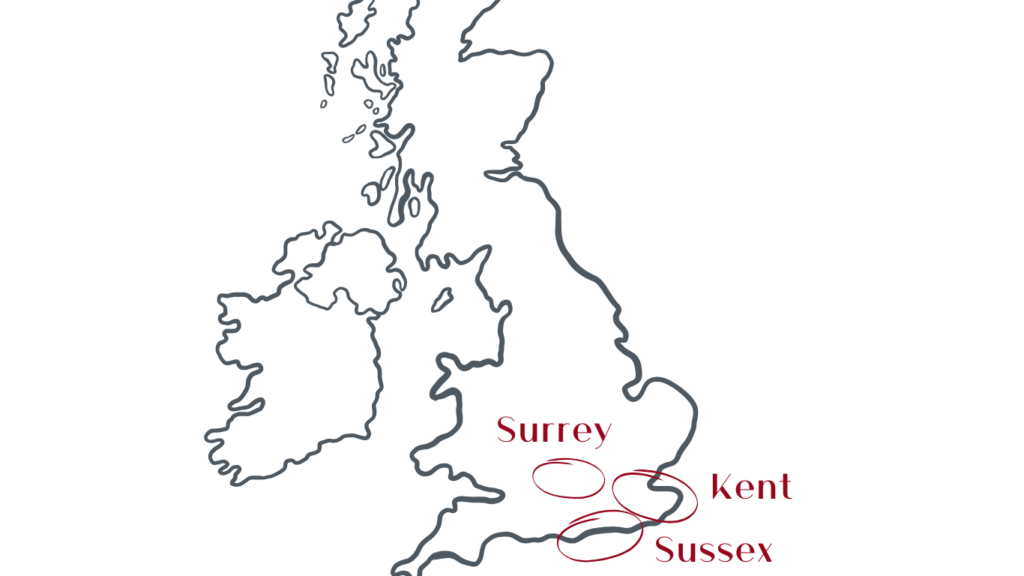
This region includes Sussex, Kent, and Surrey, where the best sparkling wines are born.
- Sussex: This is home turf for some of England’s wine royalty: Nyetimber, Ridgeview, and Rathfinny, Sussex is so confident in its wines that it’s even applied for its own PDO (Protected Designation of Origin) — basically an official stamp saying “yes, we’re world-class.” (even if that doesn’t make the other regions so happy, but more about that later). The South Downs’ chalky soils give the wines that vibrant acidity and mineral elegance you’d expect from top sparkling regions, such as famous Champagne. You’ll find both still and sparkling here, but let’s be honest — bubbles are the star.
- Kent: Nicknamed the “Garden of England,” Kent gets more than its fair share of dry, sunny days (yes, really) and has those same chalky soils that sparkling wine loves. The result? Crisp, bright bottles from names like Chapel Down and Gusbourne that are pretty hard to resist.
- Surrey: Small but mighty. The chalk slopes of the North Downs give Surrey’s wines an elegant touch, even with the dense woodlands and limited vineyard space. Denbies s the name to know here — their sparkling wines are proof that size isn’t everything.
Wessex: Sparkling Freshness with a Jurassic Twist
Wessex covers Hampshire, Wiltshire, and Dorset, where you’ll mostly find chalk and limestone soils. Across the UK, these regions are making wines with finesse and character — especially when it comes to sparkling.
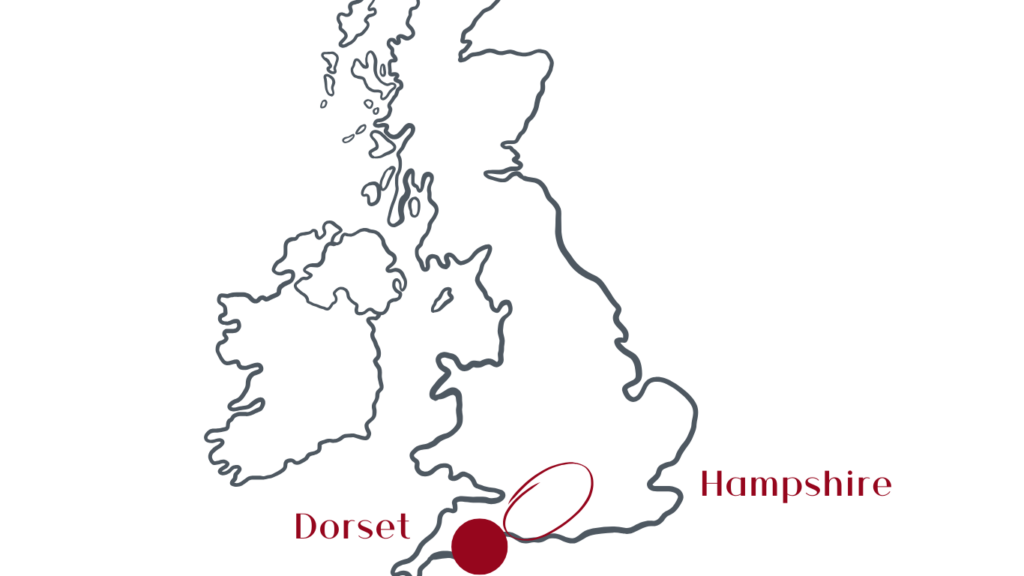
- Hampshire: You don’t hear about Hampshire as much, but it’s quietly making some really fresh, zesty sparkling wines. Hattingley Valley and Exton Park are the ones I always think of. The chalky soils drain well, the cool climate means grapes hang on the vine a bit longer, and that extra time gives the wines such vibrant flavour.
- Dorset: Dorset’s got a tougher spot with those winds coming in from the Channel, but somehow vineyards like Langham and Bride Valley still manage to make sparkling wines that are fresh and beautifully balanced
East Anglia: A Rising Star
East Anglia, particularly Essex, is one of the fastest-growing wine regions of the UK. Its dry climate and well-drained soils make it ideal for viticulture.
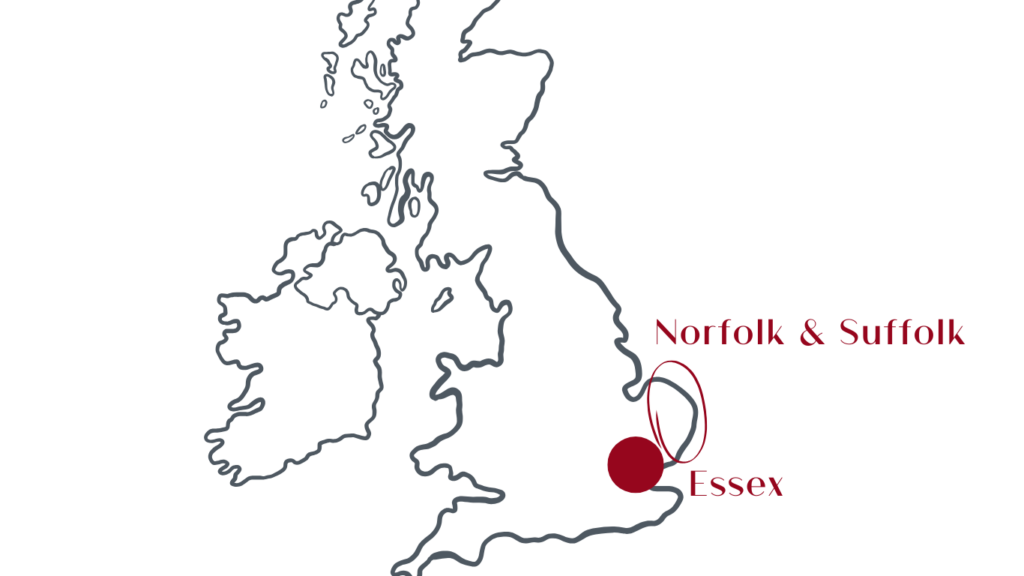
East Anglia can be divided into three parts : Essex, Norfold and Suffolk.
- Essex: Essex has been on a roll lately — vineyard acreage has more than doubled in the past few years. And it’s paying off: this is where you’ll find some of England’s most aromatic, expressive wines. Tuffon Hall is one to look out for, with crisp whites and vibrant rosés you don’t really want to put down.
- Suffolk and Norfolk: These two are neighbours, and both are starting to get noticed for their still wines. Vineyards like Flint and Giffords Hall are showing just how much potential this corner of England has.
The West Country: Resilience and Character
The west of England doesn’t get talked about as much as the south-east — but it really deserves a spot on the map.
The West Country (Cornwall, Devon, Somerset, and Dorset) has those beautiful rolling hills and a maritime climate that can be… let’s say unpredictable. Winemakers here definitely have to work harder with the weather, but they’ve found creative ways to get the best out of their grapes.
What I love about this part of the country is the variety — not just in styles, but in how each one reflects its spot on the map. Coastal vineyards lean into fresh, saline whites, while more sheltered inland plots can ripen grapes for aromatic reds. It’s all a result of winemakers adapting to the microclimates the West throws at them.
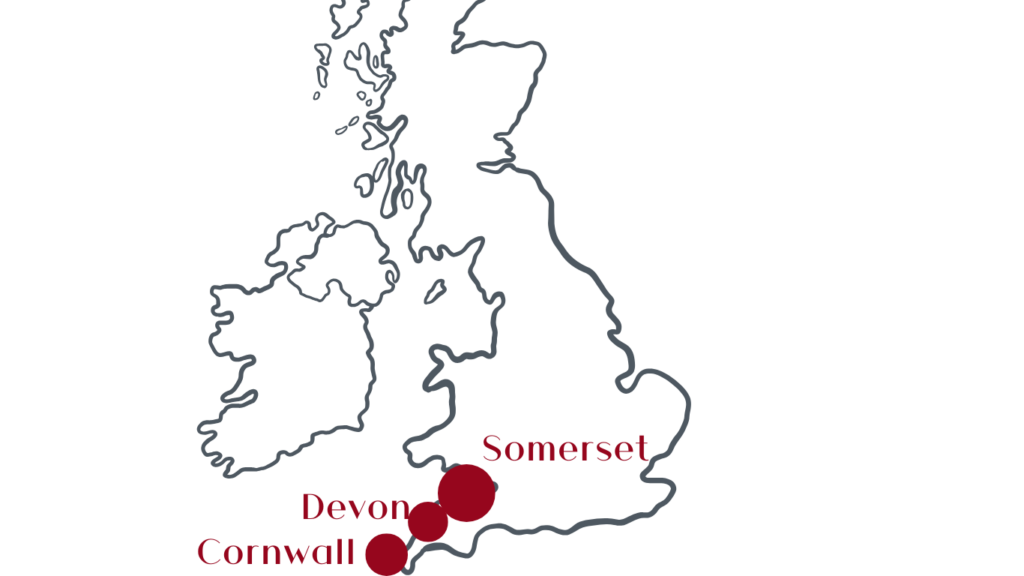
You can split this part of the West into three main areas :
- Cornwall: Camel Valley is the big name here, making sparkling wines that regularly win international awards and prove just how much potential the region has.
- Devon: At Sharpham Vineyard, you’ll find both still and sparkling wines shaped by Devon’s cool, coastal climate.
- Somerset: Known more for cider, but don’t overlook its wines —Somerset vineyards are starting to get noticed for their innovation and mix of styles.
One thing I love about winemakers in the West is how community-focused they are. Many welcome you in for tours and tastings, so you can see where the wines are made, meet the people behind them, and hear the stories about the challenges they’ve had to work through. If you like wines with a real sense of place and perseverance, this is a corner of England worth exploring.
Yorkshire and the North: Expanding Horizons
Climate change is slowly pushing vineyards further north, and Yorkshire is leading the way.
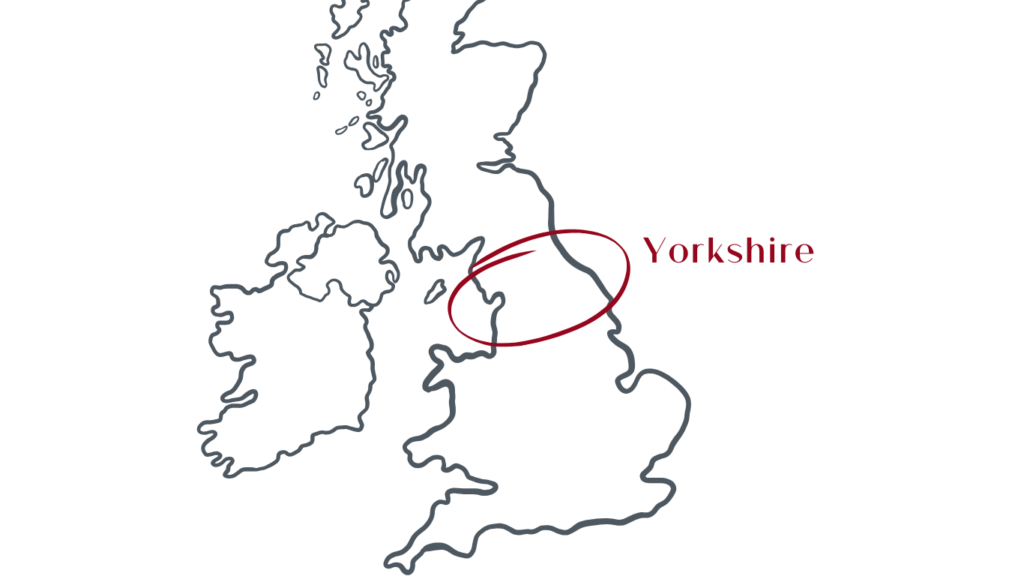
The Yorkshire Vineyard Trail. is a great way to see what’s happening here — it links a growing list of producers making light, fresh wines that really show off the cooler climate. Ryedale Vineyards is one to watch, with styles that stand out from the crowd.
Vineyards are also starting to appear in places like Lancashire and Northumberland, proving that English wine isn’t just a southern story anymore.
Wales and the Midlands: Quiet Contenders
Wales and the Midlands may have tougher conditions with their climate and terrain, but they’re steadily making their mark.
Wales has these gorgeous, green landscapes — and tucked into them are award-winning vineyards like Llanerch and White Castle.
Though smaller in scale, vineyards in the Midlands are experimenting with cold-hardy varieties and hybrid grapes, to handle the region’s unique (difficult?) conditions.
Scotland: A Small but Determined Wine Scene
Scotland might not be the first place you think of for wine, but it’s quietly proving that innovation and determination can go a long way. Wine production here only officially started in 2015, and it’s still very niche — we’re talking less than 0.3 hectares of vineyards in the whole country.
Most of the action is in Aberdeenshire and Perthshire, where winemakers have learned to adapt and get creative.
In Perthshire, Cairn O’Mohr is best known for its fruit and mead wines, but they’ve also dipped into grape wine, giving their own twist on Scotland’s terroir.
In Fife, Chateau Largo makes tiny batches from hybrid varieties, showing what’s possible in cooler conditions.
Challenges in Scotland
Of course, making wine here isn’t easy. The climate is cool, the growing season is short, and frost can be a real problem. To work around it, winemakers plant on south-facing slopes, use frost protection, and choose hybrid grapes like Siegerrebe that can handle the chill.
Emergence of grape wines
It’s still small-scale, and a lot of wineries focus more on fruit wines and mead, but Scotland’s grape wines prove that even in the toughest climates, you can create something special with enough passion and ingenuity. Although I wouldn’t recommend drinking now, let’s keep it on the radar!
The English Channel Islands: Maritime Wines with a Unique Character
The English Channel Islands — Jersey, Guernsey, and the Isle of Wight — have actually been making wine since the early 1970s. They’re tiny, but between them they’ve got over 15 hectares of vineyards now, making both sparkling and still wines.
Remember when I say terroir is really affects the taste of wine? Well here’s another example where you can taste it. These wines are shaped by the islands’ maritime climate and mix of soils.
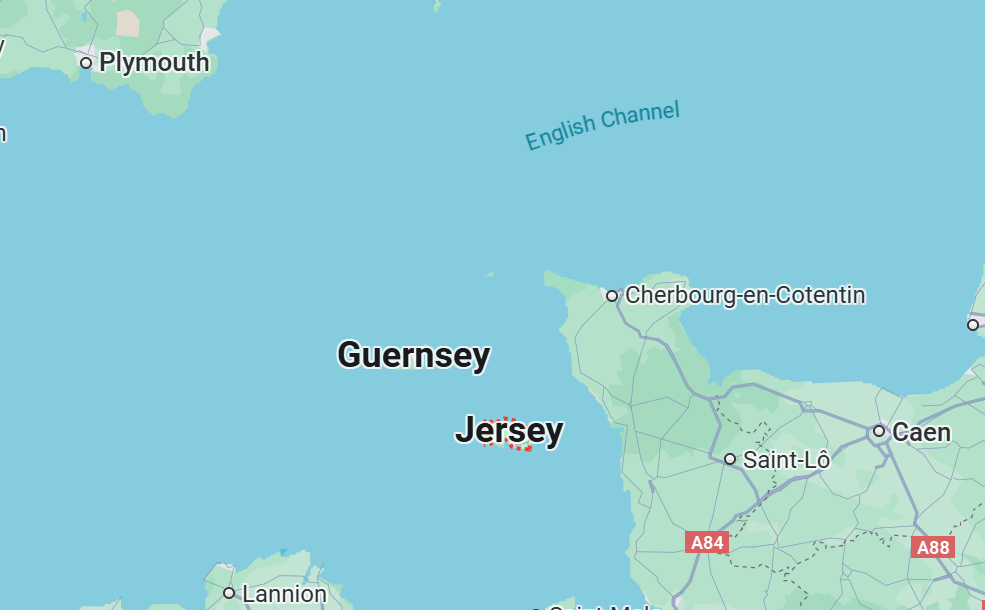
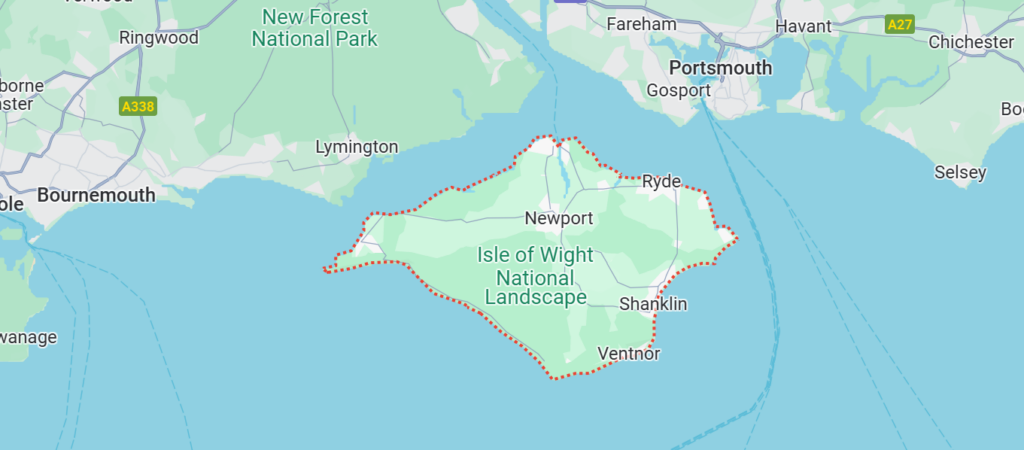
The soils are completely different from one island to the next, and that’s a big part of what makes the wines stand out.
Jersey and Guernsey have fertile soils over granite, which give their wines richness and structure.
The Isle of Wight has chalky soils, just like southern England, which are perfect for growing grapes for really good sparkling wines.
Grapes varieties
Being so close to the sea means the Channel Islands get a pretty changeable climate — the weather can flip quickly, which makes it tricky to get consistent yields. On the plus side, the long growing season and mild temperatures are great for early-ripening grape varieties.
You’ll see grapes like Pinot Noir, Regent, Rondo, Orion, and Solaris doing especially well here. They’re behind a wide mix of wines — crisp whites, aromatic reds, and elegant sparkling wines that can easily hold their own against those from the mainland.
A few names to know::
- La Mare Wine Estate (Jersey): is famous for its Seyval Blanc wines, but they also make sparkling and still wines, plus cider and liqueurs. You can tour the estate, taste the wines, and even eat at their restaurant — it’s one of the top spots to visit.
- Adgestone Vineyard (Isle of Wight): is one of England’s oldest vineyards, focusing on still wines and offering tastings as well as on-site accommodation.
- Les Vaux Vineyards (Guernsey): is a small, boutique producer making limited batches that really capture the island’s character.
Wine tourism in the Channel Islands
Wine tourism is a big deal in the Channel Islands. Most vineyards here are set up to welcome visitors, with guided tours, restaurants, shops, and even spaces for events. Add in the local wines, warm hospitality, and those gorgeous coastal views, and you’ve got a wine trip you’ll definitely remember.
The Channel Islands might be tiny, but they’ve got something special going on. The maritime climate means mild temperatures and a longer growing season, and the soils really shape the wines. In Jersey, the granite adds structure and weight, while on the Isle of Wight, the chalky soils give sparkling wines that bright, crisp edge. It’s a great example of how winemakers here work with what they’ve got to make wines you won’t find anywhere else.
The Future of English Wine
English wine is changing fast — there are now around 280 vineyards across the UK, and more pop up every year.
Wales and the Midlands still have to work harder with the climate and terrain, but they’re not letting that stop them. More people are planting vines each year, and with the warmer weather, places that didn’t seem ideal before are starting to work. Longer growing seasons mean riper grapes and better quality wines.
And the recognition? It’s definitely there. English sparkling wines keep picking up awards and even beating Champagne in blind tastings. Winemakers are also trying new things — planting different grapes, going more sustainable, and exploring new styles — so there’s always something new to taste.
Why English Wine Matters
For me, English wine is also a way to stay connected to a place that means a lot to me. If I’m honest, most of the still whites I’ve tried are still a bit too acidic or green, and the reds haven’t convinced me yet. But their sparkling? I love it — it has the freshness I sometimes miss in Champagne these days.
And I think English wine matters for another reason: it’s a reminder to stay open. Things change. What’s considered “the best” today can be challenged tomorrow — and that’s exactly what keeps wine interesting. English wine, which felt like a joke not so long ago, might just be stepping into the picture.
Conclusion : What are the wine regions of the UK?
English wine is thriving. From Sussex’s sparkling wines to Yorkshire’s emerging vineyards, every region brings something unique to the table.
Here’s a quick recap:
- Sussex: The hub of sparkling wine, with vibrant acidity and minerality from chalky soils. Try a bottle from Nyetimber or Ridgeview.
- Kent: Known for its crisp, bright sparkling wines. Chapel Down and Gusbourne are must-tries.
- Surrey: Elegant sparkling wines from the North Downs. Look out for Denbies.
- Hampshire: Fresh, zesty sparkling wines. Hattingley Valley and Exton Park lead the way.
- East Anglia: Aromatic whites and rosés from Essex, Suffolk, and Norfolk. Tuffon Hall and Flint Winery stand out.
- West Country: Sparkling wines from Cornwall’s Camel Valley and Devon’s Sharpham.
- Yorkshire: Light, fresh wines from estates like Ryedale Vineyards.
- Scotland: Small-scale production with innovative hybrid varieties like Siegerrebe.
- Channel Islands: Diverse wines from Jersey and the Isle of Wight, including elegant sparkling varieties.
For me, it’s personal. Growing up in England and my love for sparkling wines made exploring this industry inevitable. These wines feel like home to me.
Have you tried English wines? Which region would you like to learn more about or visit? Let me know in the comments.
Where to next?
The main wine regions of Japan
Japan isn’t just sushi and sake—it’s quietly becoming a wine country worth exploring. This post takes you through the key wine regions—from Yamanashi’s famous Koshu to high-altitude sites in Nagano, innovative blends in Yamagata-Mogamigawa, and ultra-cool wines from Hokkaido. You’ll learn what makes each area tick—its climate quirks, soil styles, and grapes—and why these wines can be surprising, subtle, and ideal with Japanese cuisine. Ready for a quick trip through Japan’s wine landscape? Let’s dive in!
The best Austrian wine regions
Austria might not be the first country you think of for wine, but it should be. In this post, I’m taking you through the regions I think every wine lover should know — from crisp, peppery Grüner Veltliner in Kremstal and Kamptal, to elegant Sauvignon Blancs in Steiermark, and juicy Blaufränkisch from Burgenland. You’ll get a clear picture of what each region does best and why it’s worth exploring.




4 Comments
Franck Mulard
Impressive. God saves the English wines!
Diane
Yes He is!!
Renée
Bonjour, Il est possible d’acheter des vins anglais depuis la France? Il y a des cavistes ou de ssites qui en ont? Merci!
Diane
Bonjour Renée!
Merci pour votre intérêt pour les vins anglais. Je suis justement en train de travailler à ce sujet pour faire un état des lieux des différents sites et vous proposer le meilleur (meilleur rapport qualité-prix/large choix). Malheureusement, avec le Brexit, de plus en plus arrêtent les livraisons vers la France. Pour l’instant, pour les dégustations et consommation personnelle, je me rends en Angleterre pour les acheter.
Je reviens vers vous dès que j’ai fait ce bilan (dans les prochaines semaines) et que l’article est en ligne ou inscrivez vous à la newsletter pour être sûr de ne pas le rater!
Merci encore pour votre intérêt et je vous dis à très vite!