

Is English Wine Any Good?
Spoiler: It’s Not Just Good — It’s Getting Dangerously Close to Great
Home » England »4 minutes read
If someone told you twenty years ago that English wine could beat Champagne, you’d probably have laughed. And yet, it happened.
In 2016, a blind tasting in Paris put an English sparkling wine — Nyetimber — against France’s best, and the English bottle won. For a nation once known for tea, not terroir, it was a turning point.
So yes, English wine is good — shockingly good. But to understand why, you have to look at how this small island went from “impossible” to internationally acclaimed.
Think English wine can’t compete with Champagne? Think again. This post breaks down how England went from wine-world underdog to serious contender — from chalky soils and bold pioneers to today’s award-winning sparkling wines. You’ll learn what England does best, where it’s still evolving, and which bottles to try first if you want to taste the difference for yourself.
From joke to world-class: how England found its groove
The right place at the right time
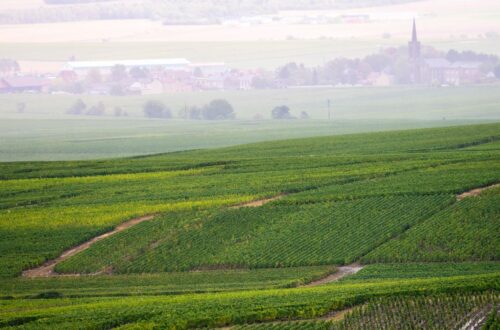
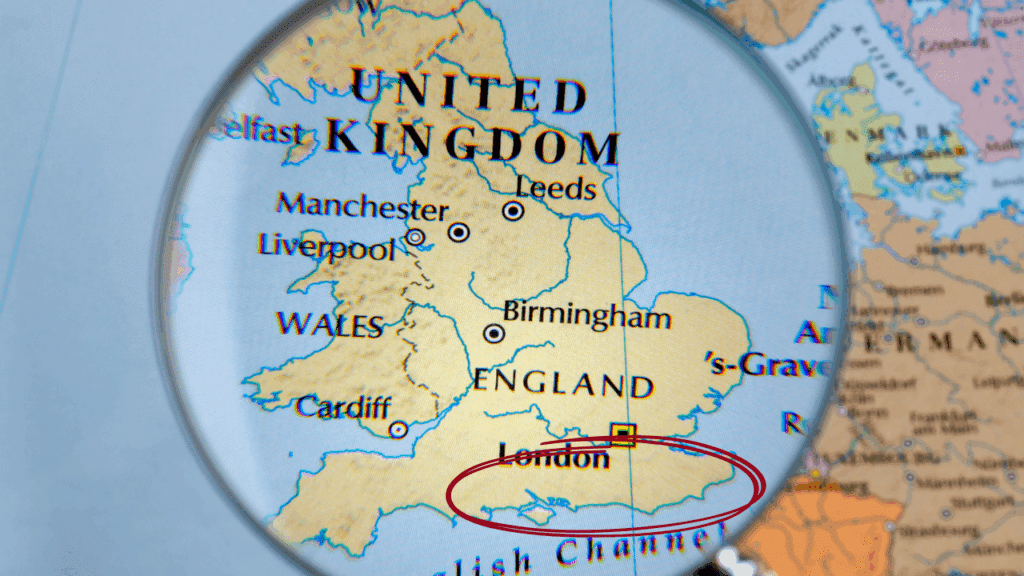
Southern England — especially Kent, Sussex, and Hampshire — sits on the same chalk seam as Champagne. Those chalky soils are perfect for Chardonnay, Pinot Noir, and Pinot Meunier, the classic grapes of sparkling wine.
Add a cool climate and rising global temperatures, and suddenly, England has what Champagne had fifty years ago: freshness, minerality, and precision.
The people who made it happen
It took outsiders to believe it was possible.
In the 1980s, an American couple, Stuart and Sandy Moss, planted Champagne grapes in Sussex and created Nyetimber. Their first vintage, made with a French consultant and a lot of audacity, stunned judges worldwide.
That success inspired a generation — from Ridgeview and Gusbourne to Wiston Estate — all proving that sparkling wine made in England could stand shoulder to shoulder with France’s finest.
Professionalism, not luck
Behind the scenes, institutions like Plumpton College (near Brighton) quietly trained a new wave of English winemakers. The result? Wines that are not just patriotic curiosities, but genuinely world-class — consistent, elegant, and increasingly expressive of place.
So, is English wine actually good?
What England does best
- Sparkling wines are England’s masterpiece — crisp, toasty, and fine-bubbled, made in the same traditional method as Champagne.
- Cool-climate whites (especially Chardonnay and Bacchus) deliver citrus, green apple, and chalky minerality.
- Rosés are fresh, subtle, and wonderfully food-friendly.
Where it’s still evolving
- Reds are improving, but remain light and delicate. Don’t expect a bold Bordeaux or Rhône style just yet.
- Climate challenges mean vintages can vary — sunshine is never guaranteed.
- Price can be high, simply because scale is small and quality control is strict.
How to start exploring English wine
If you’re curious to taste what all the buzz is about, start here.
Sparkling
- Nyetimber Classic Cuvée (West Sussex) – Elegant, creamy, Champagne-rivaling.
- Ridgeview Bloomsbury (Sussex) – Lively and balanced, with bright citrus notes.
- Wiston Estate Brut NV (South Downs) – Mineral, saline, and sophisticated.
Still Whites
- Gusbourne Chardonnay (Kent) – Burgundian texture with English freshness.
- Chapel Down Bacchus (Kent) – England’s signature grape; crisp and aromatic.
(Tip: Serve English sparkling at 8–10 °C, whites around 11 °C — and pair them with oysters, fish & chips, or creamy cheeses.)
The bigger picture
English wine has gone from experiment to excellence in just a few decades — and that transformation says something powerful. It’s about curiosity, innovation, and daring to believe that world-class wine can grow in unexpected places.
The next time someone asks “Is English wine any good?”, you can smile and say:
“It’s not good for England. It’s good, full stop.”
Where to next?
What Are the Wine Regions of the UK?
Beyond Sussex and Kent, the UK’s wine scene is quietly booming. This guide takes you on a tour of the country’s key wine regions — from coastal vineyards in Cornwall to limestone slopes in Essex — explaining what grows where, and why. Perfect for anyone planning a visit or just curious to see how diverse (and delicious) British terroir has become.
Blaufränkisch: The Impact of Climate on Flavor Profiles in Burgenland
Ever wondered why cool-climate wines taste so different? This article uses Austria’s Blaufränkisch as a case study to explain how temperature, sunlight, and soil shape the taste of any grape. Expect to come away understanding what gives cool-climate wines their signature freshness, structure, and precision — and how to recognize those traits in your own glass.Where to next?


You May Also Like
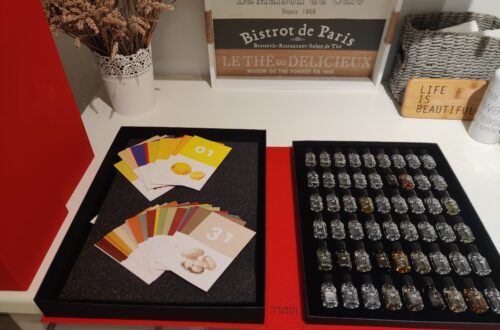
Train Your Nose Like a Pro with Le Nez du Vin Masterkit

What Is the Right Wine Serving Temperature (and Why It Matters More Than You Think)?