

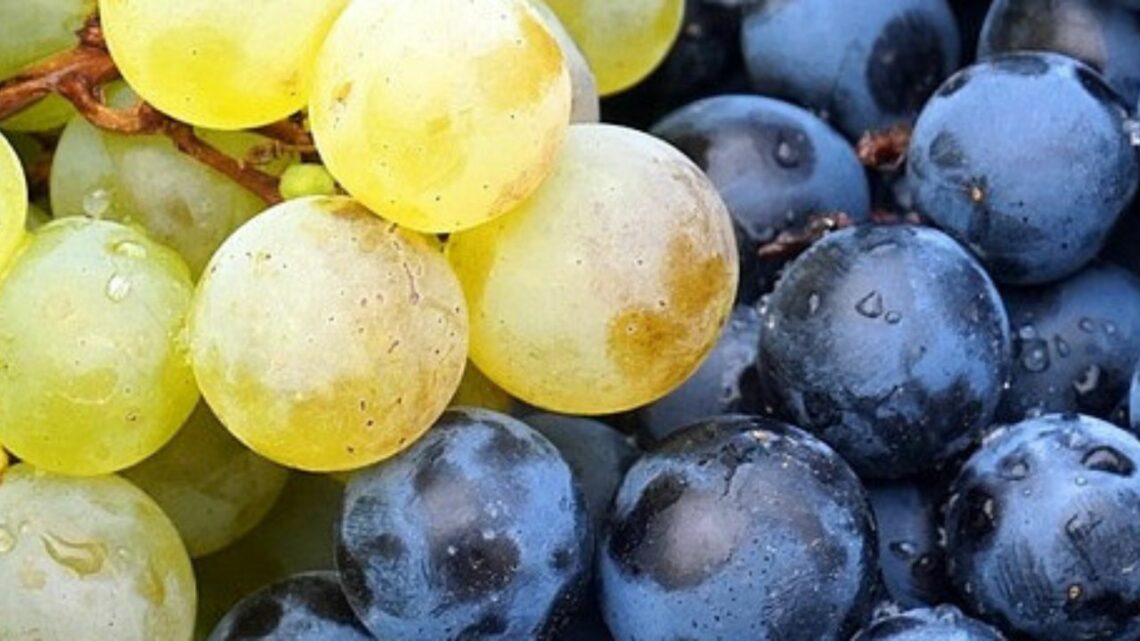
What grape is Sekt made from?
4 minutes read
When you discover a new sparkling wine, one of the first things you want to understand is where it fits.
Is it playing in Champagne territory? Is it closer to a Crémant? Or is it expressing something entirely different?
With Sekt, the answer lies largely in one key element: the grape variety.
So let’s get straight to it.
Austrian Sekt is a sparkling wine made from several grape varieties, not just one. The most common grapes used are Grüner Veltliner, Riesling, Pinot Noir, Pinot Blanc, and Chardonnay. The grape variety plays a key role in the style of Sekt: Grüner Veltliner and Riesling produce fresh, crisp, and lively sparkling wines, while Pinot Noir, Pinot Blanc, and Chardonnay create more structured, Champagne-style Sekts. Understanding the grape used is one of the simplest ways to choose a Sekt you’ll enjoy with confidence.
How is Sekt made?
Sekt is a sparkling wine, produced mainly in Austria and Germany. Like other sparkling wines, it gets its bubbles from a second fermentation — but there isn’t just one way to make it.
There are three distinct methods used in Sekt production:
- The traditional method (also known as the Champagne method or méthode traditionnelle), where the second fermentation happens in the bottle
- The transfer method, which starts like the traditional method but finishes in pressure tanks
- The Charmat method, where the second fermentation takes place entirely in large pressure tanks
Each method leads to a different style of sparkling wine, from more complex and structured to fresh and fruit-forward.
If you want to go deeper into this, I’ve written a full article here: What is the Sekt method?
That said, what really defines Sekt isn’t just how it’s made — but what it’s made from.
And this is where Austrian Sekt becomes particularly interesting.
What grape is Sekt made from?
There is no single grape used to make Sekt.
In Austria, Sekt can be made from several grape varieties, both local and international. That may sound a bit vague, but in reality, only a small group of grapes dominates Sekt production — and those grapes give you very clear clues about the style you’ll find in the glass.
If you remember the next five, you already have a solid foundation.
The main grapes used to make Austrian Sekt
Grüner Veltliner
Austria’s signature grape also plays an important role in Sekt production.
Grüner Veltliner Sekt is usually fresh, lively, and precise, often showing citrus notes and a subtle peppery edge. It tends to feel very clean and refreshing.
If you like crisp, thirst-quenching sparkling wines, Grüner Veltliner Sekt is an excellent place to start.
Riesling
Riesling brings naturally high acidity, which makes it particularly well suited to sparkling wine.
In Sekt, it produces wines that are zesty, energetic, and aromatic, often with citrus and green apple notes. The style is usually very dry and focused.
Choose Riesling Sekt if you like tension, freshness, and very precise sparkling wines.
Pinot Noir (Blauburgunder)
Pinot Noir is one of the classic grapes for sparkling wine — and Austrian producers use it with real finesse.
Whether used on its own (as a blanc de noirs) or in blends, Pinot Noir brings structure, depth, and elegance to Sekt.
If you enjoy Champagne, Pinot-based Sekt will feel immediately familiar.
Pinot Blanc (Weissburgunder)
Pinot Blanc plays a quieter but very important role in Austrian Sekt.
It contributes balance and subtle fruit, often resulting in refined, harmonious sparkling wines that are easy to enjoy and very food-friendly.
A great option if you like understated, elegant sparkling wines.
Chardonnay
Chardonnay is less dominant in Austria than in Champagne, but it is very much present.
In Sekt, Chardonnay brings structure, creaminess, and aging potential, especially in higher-quality bottles that spend more time on the lees.
Look for Chardonnay if you like more complex, textured sparkling wines.
Does the grape variety really matter?
Yes — more than you might think.
The grape used for Sekt influences:
- how fresh or rich the wine feels
- whether it’s crisp and linear or more rounded and complex
- how close it feels to Champagne, Crémant, or something uniquely Austrian
Understanding the grape variety is one of the fastest and simplest ways to predict whether you’ll enjoy the wine.
A simple shortcut for choosing Sekt with confidence
Next time you’re buying a bottle of Austrian Sekt, use this as a quick guide:
- You like very fresh, lively sparkling wines
→ Look for Grüner Veltliner or Riesling Sekt - You like Champagne-style wines with structure and depth
→ Look for Pinot Noir, Pinot Blanc, or Chardonnay Sekt
Just spotting the grape on the label already puts you back in control.l.
Final thoughts
Sekt isn’t made from mysterious or obscure grapes. It’s made from grape varieties you already know, simply expressed through a different climate, culture, and winemaking tradition.
Once you understand what grape Sekt is made from, Austrian sparkling wine stops being a question mark — and starts becoming a real option.
Often a more affordable one than Champagne, and just as interesting.
And that’s exactly where the fun begins.
Where to next?
Knowing the grape helps you choose a Sekt you’ll like.
Understanding how it’s made helps you understand why it tastes the way it does. Discover the different production methods behind Austrian Sekt.
Now that you know how Sekt is made and which grapes are used, it’s tempting to compare it to other sparkling wines you already know. In this article, I break down the real differences — from grapes to methods to what you’ll actually taste.
What is the difference between Sekt and Champagne?
Once you understand how Sekt is made and which grapes are used, the natural comparison is Champagne.
They may share bubbles and celebration vibes, but they’re built on very different foundations. Here’s a clear guide to what really distinguishes Sekt from Champagne.


You May Also Like
Biodynamic Winemaking In Austria

Blaufränkisch Winemaking Traditions In Burgenland