What type of wine is Sekt?
6 minutes read
If you’ve ever wondered what type of wine Sekt is, you’re not alone. It’s one of those wine words that pops up in conversation and somehow makes people feel like they should already know the answer.
Is it Champagne? Is it German? Is it cheap, serious, or something in between?
Here’s the simple truth: Sekt is Austrian sparkling wine, and once you understand where it comes from and how it’s made, it becomes surprisingly easy to talk about. No memorising rules, no wine exams — just enough context to feel confident the next time Sekt appears on a wine list or at the table.
Sekt is Austrian sparkling wine.
It can be produced using the traditional method or the Charmat method and exists in two main categories: Österreichischer Sekt, without protected origin, and Sekt g.U., which has a controlled designation of origin and stricter quality requirements. The style and quality of Sekt depend on its production method and classification.
- What does “Sekt” actually mean?
- Before bubbles: the original meaning of Sekt
- How Sekt became sparkling (and why this story matters)
- So… what type of wine is Sekt today?
- How is Sekt made?
- The two types of Sekt you’ll see on labels
- A quick word on Sekt g.U. quality levels
- My personal recommendations for Austrian Sekt
- So… what type of wine is Sekt? (the confident takeaway)
What does “Sekt” actually mean?
According to DWDS, the German online dictionary, Sekt is a term used to describe sparkling wine.
But — because wine loves a good detour — it didn’t start that way.
The word Sekt comes from the French “sec”, meaning dry or tart, which itself comes from the Latin “siccus”, meaning dry. Originally, it had nothing to do with bubbles at all. It was simply about dryness.
Before bubbles: the original meaning of Sekt
In its earliest usage, Sekt referred to wines made from dried grapes, especially from Spain and the Canary Islands. As early as 1682, German texts mention “Canarien-Seckt.”
The spelling evolved gradually — Seck in 1647, Sect in 1663, Seckt in 1673 — and the meaning was broad. At the time, it was essentially a way of describing “Southern wines.”
Still no sparkle.
How Sekt became sparkling (and why this story matters)
The shift from still wine to sparkling wine is often attributed to an actor — which already tells you this won’t be boring.
Around 1825, in Berlin, the actor L. Devrient reportedly ordered Champagne at the famous wine tavern Lutter & Wegner by exclaiming:
“Bring er mir Sekt, Schurke!”
This line echoed Falstaff in Shakespeare’s King Henry IV, translated by A. W. Schlegel as “Give me a glass of sack, villain!”
From Berlin, this playful use of the word Sekt spread quickly. By 1862, it was officially recorded as a synonym for sparkling wine.
Sometimes, wine terminology really is born in a bar.
So… what type of wine is Sekt today?
Today, Sekt is Austrian sparkling wine, made from one or more of 40 authorized grape varieties.
Legally speaking, a wine labelled Sekt must meet a few basic criteria:
- it must show a minimum pressure of 3 bar at 20°C
- it must have at least 8.5% alcohol
In other words, this is proper sparkling wine — not lightly fizzy, not improvised.
How is Sekt made?
Austria allows more than one production method for Sekt.
Many high-quality Sekts are made using the traditional method, the same method used in Champagne, with the second fermentation happening in the bottle. This is where you get finesse, complexity, and ageing potential.
The Charmat method is also permitted, especially when producers want a fruit-forward, easy-drinking style. These Sekts are generally meant to be enjoyed young, while the aromas are fresh and lively.
Neither method is “right” or “wrong” — they simply serve different styles and moments.
The two types of Sekt you’ll see on labels
This is where Sekt often starts to sound intimidating, but it really doesn’t have to be.
In Austria, there are two main categories of Sekt.
Österreichischer Sekt can be labelled as such if either the grapes or the base wine come from Austria. If only the production took place there, the label may instead say “produced in Austria.” This category does not have a protected geographical origin, but it may indicate grape variety or vintage. It also cannot be classified at the same level as a Qualitätswein.
Sekt g.U., on the other hand, stands for “geschützte Ursprungsbezeichnung” — protected designation of origin. This is Austria’s way of clearly identifying its most serious sparkling wines, with recognised origin and stricter production rules.
If you like understanding why one bottle feels more refined (and often costs more) than another, this distinction really helps.
(I go much deeper into Austria’s quality system in a dedicated article, if you’re curious — without expecting you to memorise anything.)
A quick word on Sekt g.U. quality levels
In 2016, Austria introduced a clear structure for its top sparkling wines. From that point on, Sekt g.U. could only be sold under three quality levels: Klassik, Reserve, and Grosse Reserve.
Each step up means stricter origin rules and longer ageing on lees — very much in the spirit of how Champagne approaches quality. You don’t need the technical details to enjoy the wines, but knowing these words exist can make labels feel far less mysterious.
My personal recommendations for Austrian Sekt
If you’re just starting out, I almost always suggest beginning with Schlumberger.
It’s not just about the wine — it’s about the story. Founded in 1842 by Robert Alwin Schlumberger, the house was built by someone who trained in Reims, working for Champagne house Ruinart, before bringing the traditional method back to Austria.
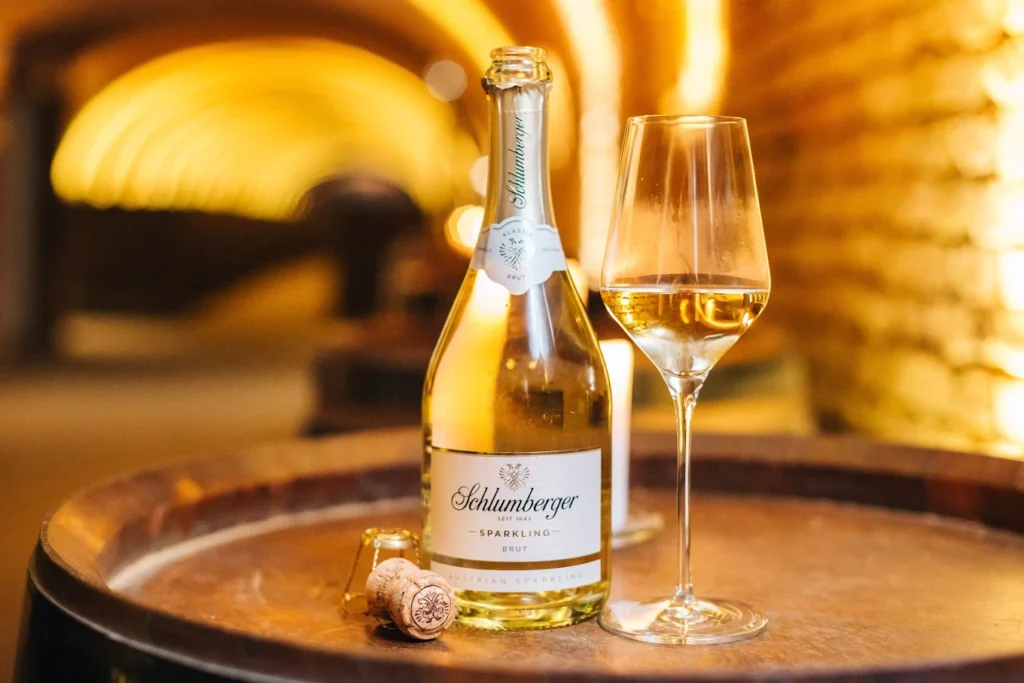
Schlumberger became a supplier to the Austrian imperial court, appeared on the Queen of England’s wine list in 1862, and remains one of the easiest, most reliable introductions to Austrian Sekt today.
Their winery is located in Vienna, easy to visit, and honestly excellent value. For 13€, you get a guided tour and three generous glasses of Sekt afterwards — which is hard to argue with.
A few bottles I enjoy :
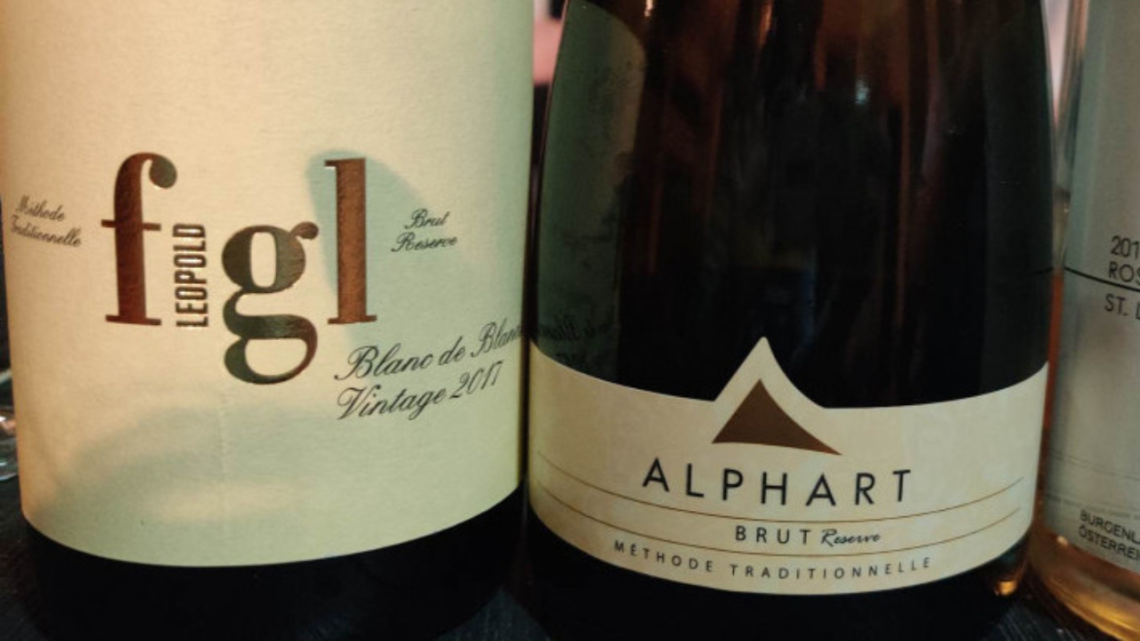
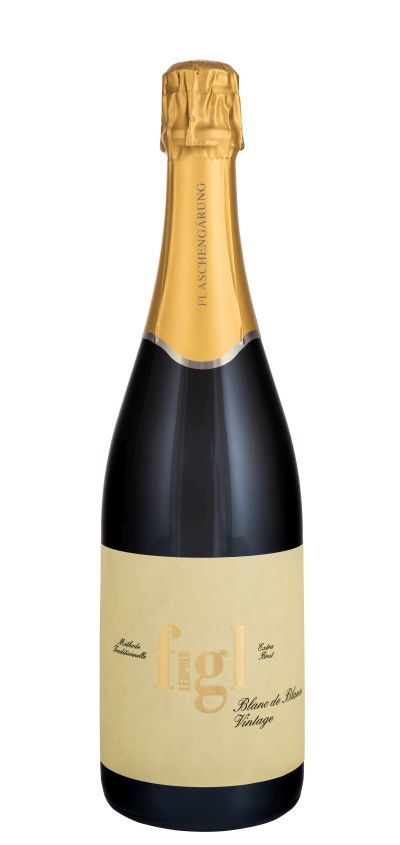
One standout is the Blanc de Blanc Leopold Figl (2017). Made from 100% Chardonnay, it shows a bright golden colour with fine bubbles. On the palate, you’ll find delicate biscuit notes, stone fruit, and a touch of lime zest. The sandy loess soils give it real structure and depth.
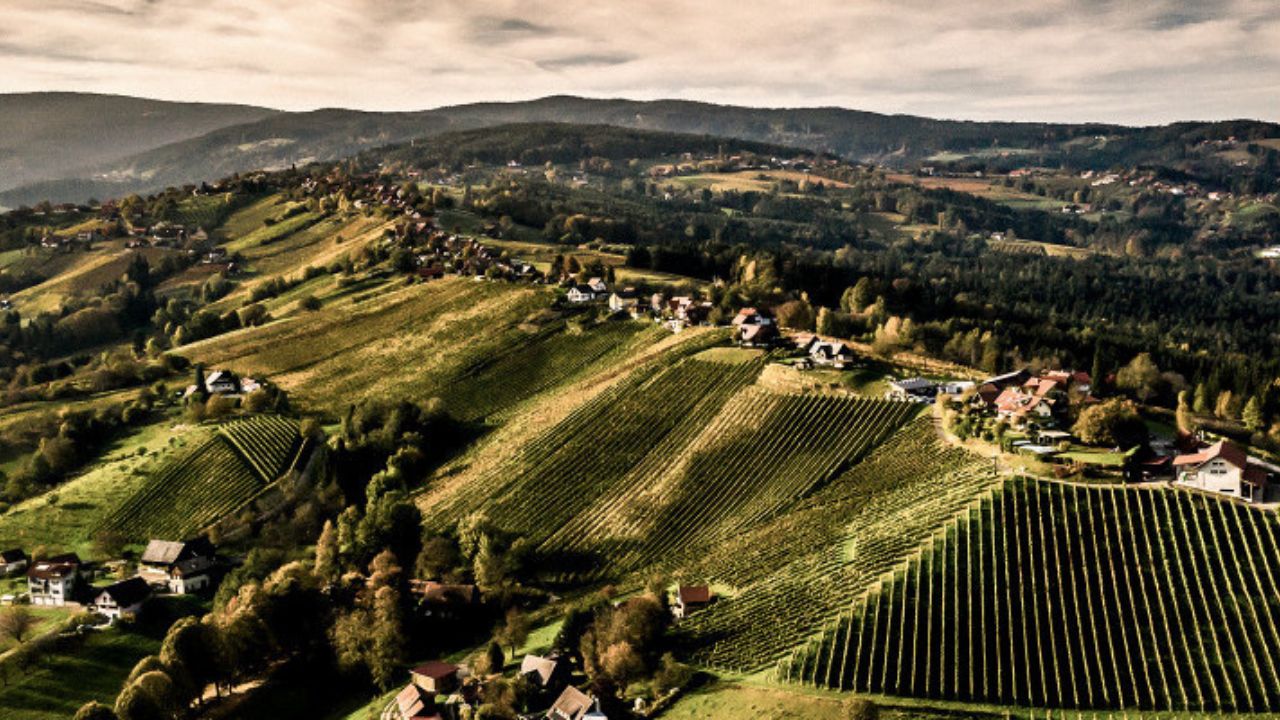
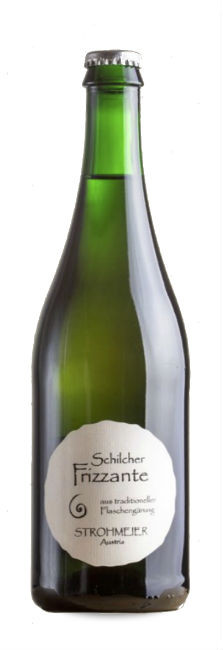
If you enjoy rosé Sekt, Strohmeier’s Schilcher from Weststeiermark was remarkable — shimmering pink and rooted in a wine style dating back to the 16th century.
Get yours here
Other reliable bottles include Huber Blanc de Blanc, Loimer Extra Brut Reserve, and Schloss Gobelsburg Brut Reserve, all relatively easy to find and consistently well made.
So… what type of wine is Sekt? (the confident takeaway)
To sum it up clearly:
- Sekt is Austrian sparkling wine
- It can be made using the traditional method or the Charmat method
- There are two main categories: Österreichischer Sekt and Sekt g.U.
- Sekt g.U. follows a quality hierarchy designed to signal seriousness and ageing potential
And now, when Sekt comes up in conversation, you won’t just recognise the word — you’ll actually understand what’s behind it.
Which is exactly how wine confidence is supposed to feel
Where to next?
Wondering whether Sekt is basically the same thing as Prosecco? It’s one of the most common questions — and the answer is a little more nuanced than you might expect. Style, production method, and positioning all play a role. I break it down clearly here:


You May Also Like
What type of wine is Ruster Ausbruch?
Kamptal wine region : Kremstal’s Brilliant and Down-to-Earth Sister