

The Most Complete Guide to Japanese Wine
7 minutes read
If you’re curious about Japanese wine, you’ll quickly run into a problem: information is surprisingly difficult to find.
Unlike Bordeaux, Burgundy, or even emerging wine regions around the world, the Japanese wine scene is still relatively under-documented in English. Yet the industry is evolving fast, with hundreds of producers, unique grape varieties, and wine regions stretching from Hokkaidō in the north to Okinawa in the south.
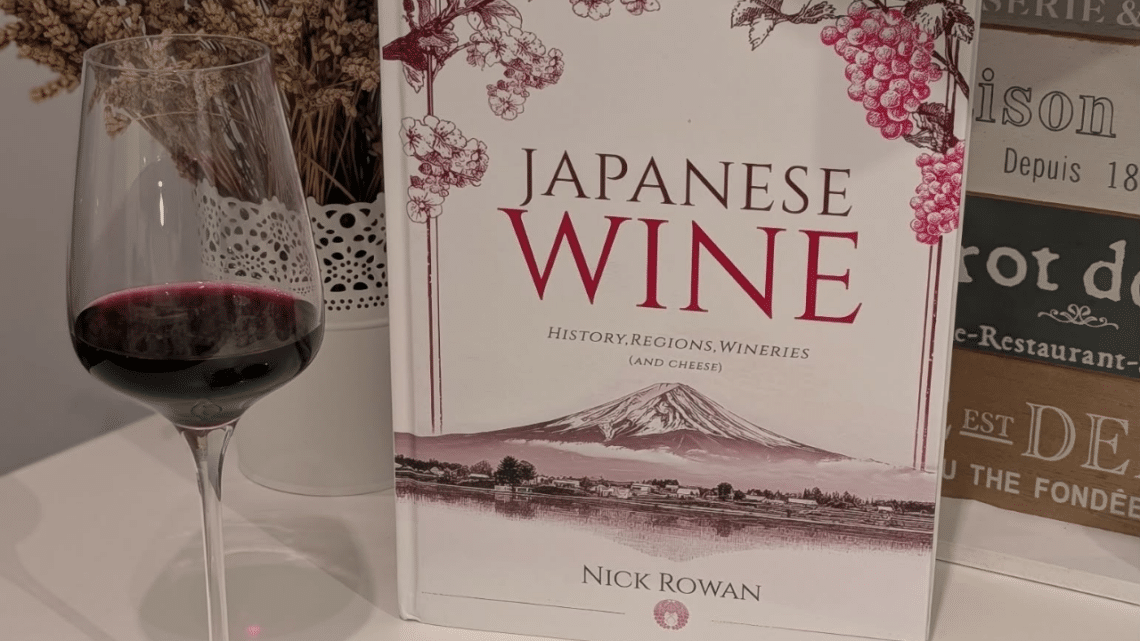
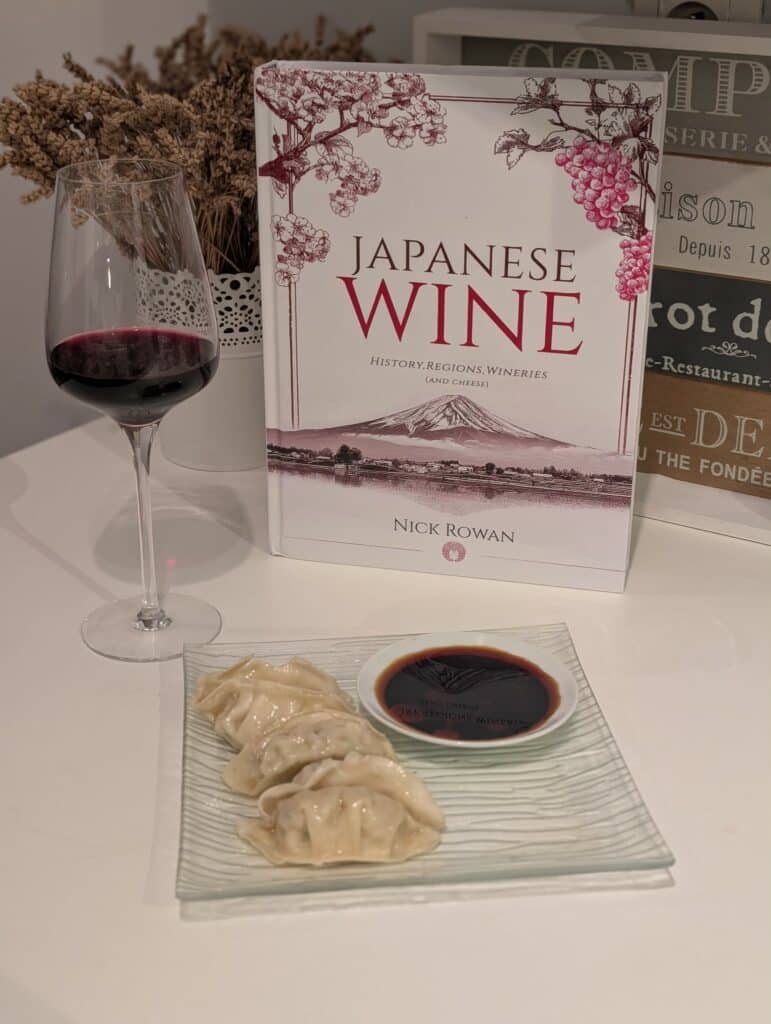
That’s why discovering Japanese Wine: A History, Regions, Wineries and Varieties felt like striking gold.
After spending time with this book, I can confidently say it’s the most complete and up-to-date guide to Japanese wine currently available in English.
And for anyone exploring Japanese wine from outside Japan, it’s an incredibly powerful resource.
Japanese Wine: A History, Regions, Wineries and Varieties is the most comprehensive English-language guide to Japanese wine. It explores Japan’s wine history, regions from Hokkaidō to Okinawa, 700+ producers, and more than 130 grape varieties. The book also includes winery itineraries, wine bars, maps, and Japanese wine vocabulary for travelers and enthusiasts.
- A Deep Dive into the World of Japanese Wine
- Every Japanese Wine Region — From Hokkaidō to Okinawa
- An Incredible Database of Japanese Wine Producers
- Discovering Japan’s Unique Grape Varieties
- A Practical Guide to Visiting Japanese Wineries
- Learning Japanese Wine Vocabulary (Without Learning Japanese)
- Why This Book Is Essential for Anyone Curious About Japanese Wine
A Deep Dive into the World of Japanese Wine
What makes this book remarkable is its depth and scope.
The author takes you through the entire ecosystem of Japanese wine, covering:
- the history of winemaking in Japan
- the country’s geography, soils, and climate
- the viticultural challenges unique to Japan
- the evolution of modern Japanese wine culture
Japan is not an easy place to grow grapes. The climate brings humidity, typhoons, heavy rains, and difficult growing conditions, forcing winemakers to develop innovative solutions in the vineyard.
Understanding these challenges makes the achievements of Japanese winemakers even more impressive.
Every Japanese Wine Region — From Hokkaidō to Okinawa
One of the most fascinating parts of the book is its geographical exploration of Japan’s wine regions.
The guide takes readers across the entire country, including:
- Hokkaidō
- Yamanashi
- Nagano
- Yamagata
- Niigata
- Kyoto
- Osaka
- Kyushu
- even Okinawa
Each prefecture is explored with detailed context about the region, its climate, vineyards, and producers.
For anyone trying to understand where Japanese wine comes from, this structure makes the landscape much easier to navigate.
The book also includes 65 maps, helping readers visualise the spread of vineyards across Japan.
An Incredible Database of Japanese Wine Producers
One of the most impressive aspects of the book is the sheer amount of research behind it.
Inside you’ll find information on:
- 725 Japanese wine producers
- 130 grape varieties, including more than 80 unique to Japan
- 380 wine bars, restaurants, and wine stores specialising in Japanese wine
- 125 Japanese wine festivals and events
- 38 Japanese wineries and winemakers operating abroad
- 20 foreign winemakers working in Japan
For wine professionals, educators, or curious wine lovers, this level of detail is incredibly valuable.
It’s not just a book — it’s essentially a reference library for Japanese wine.
Discovering Japan’s Unique Grape Varieties
Most wine drinkers outside Japan have heard of Koshu, the country’s most famous native grape.
But Japanese wine is far more diverse than many people realise.
This book explores 130 grape varieties, including hybrids developed specifically for Japan’s climate as well as international grapes like:
- Chardonnay
- Merlot
- Pinot Noir
One particularly interesting grape mentioned in the introduction is Muscat Bailey A, a Japanese hybrid that has long been associated with lighter, fruit-forward red wines.
These grapes reflect a broader story: Japanese winemakers are increasingly searching for a distinctive identity rooted in local conditions rather than simply copying European styles.
A Practical Guide to Visiting Japanese Wineries
Another reason I love this book is how practical it is for wine travel.
It doesn’t just explain Japanese wine—it helps you experience it.
The book includes suggested itineraries for some of Japan’s major wine regions, including:
- Hokkaidō
- Yamanashi
- Nagano
- Yamagata
- Osaka
It also helps readers find wineries that:
- welcome visitors
- offer tastings
- have restaurants or accommodation
- provide beautiful vineyard views
For anyone planning a wine trip to Japan, this information is incredibly helpful.
Instead of arriving with only a vague idea of where to go, you can already have a clear roadmap of producers and regions to explore.
Learning Japanese Wine Vocabulary (Without Learning Japanese)
One of my favourite features of the book is the section dedicated to Japanese wine vocabulary.
The author introduces key Japanese words and expressions related to wine, helping readers recognise terminology they might encounter on labels or during winery visits.
Even if you don’t speak Japanese, learning to recognise these terms can make navigating wine culture in Japan much easier.
For me, this small detail adds a lot of value. It helps bridge the gap between Japanese wine culture and international wine lovers.
Why This Book Is Essential for Anyone Curious About Japanese Wine
Japanese wine is still a relatively young story on the global wine stage, but it’s evolving rapidly.
New wineries are opening, regional identities are emerging, and more winemakers are focusing on terroir, small-scale production, and distinctive grape varieties.
Books like Japanese Wine: A History, Regions, Wineries and Varieties help make this world accessible.
Whether you are:
- a wine professional
- a curious wine drinker
- or someone dreaming of wine travel in Japan
this book is an essential guide to understanding Japanese wine.
For me, it has already become a reference I keep returning to.
Because sometimes exploring a wine region doesn’t start with a plane ticket.
Sometimes it starts with a book that makes you want to go.
And sometimes that book sends you all the way to Japan.
Where to Next? Continue Exploring Japanese Wine
If this book has sparked your curiosity about Japanese wine, you don’t have to stop here.
On Diane Wine Voyage, I share free guides and discoveries to help you explore the world of Japanese wine — from hidden wine regions to unique grape varieties and the wineries shaping Japan’s modern wine scene.
You’ll find articles that help you:
- Discover Japanese wine regions, including places like Yamanashi, Japan’s most famous wine area.
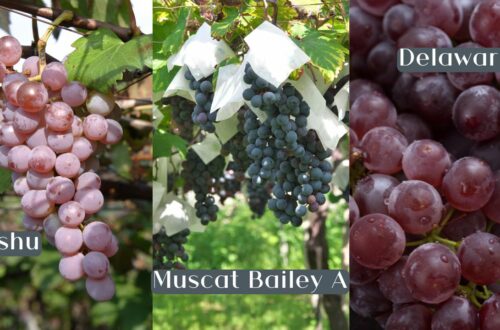
- Learn about Japanese grape varieties such as Koshu, Muscat Bailey A, and Delaware.
- Explore wineries and producers worth trying if you’re curious about Japanese wine.
- Get inspiration for wine trips and tasting experiences in Japan.
Think of this blog as your friendly guide to Japanese wine — helping you discover a fascinating wine culture that still flies under the radar.
Because sometimes the best wine discoveries happen when we drink beyond Bordeaux.
What Are Some Good Japanese Wines?
Curious about which Japanese wines are worth trying? This guide introduces a selection of bottles and producers that offer a great starting point for discovering the diversity and personality of Japan’s emerging wine scene.
Explore Yamanashi: Japan’s Top Wine Region
Often called the heart of Japanese wine, Yamanashi is home to historic wineries, beautiful vineyards near Mount Fuji, and the famous Koshu grape. Discover why this region is the perfect place to start exploring wine in Japan.
From the delicate Koshu to the unique Muscat Bailey A, Japan grows a surprising range of grape varieties. Explore the grapes that shape the character of Japanese wine and learn what makes them so distinctive.



One Comment
Nick
Lovely write-up, thank you!