Austria
- A Quick Guide to Austria’s Best Wine Regions
- The famous Wachau wine
- The less famous but equally delicious red wines of Burgenland
- Your Beginner's Guide to Grüner Veltliner from Wachau
- Your Beginner's Guide to Blaufränkisch from Burgenland
- Where to buy Austrian wine online
-
Kamptal wine region : Kremstal’s Brilliant and Down-to-Earth Sister
Kamptal, Austria’s DAC since 2008, is famous for its Grüner Veltliner on loess and clay, and Riesling on ancient Permian soils at Heiligenstein. Warm Pannonian days and cool Waldviertel nights shape its elegant, age-worthy wines — crafted by iconic estates like Bründlmayer, Schloss Gobelsburg, and Hirsch.
-
Why the Kremstal Wine Region Deserves a Spot on Your Wine List
Kremstal may live in the shadow of Wachau, but it’s every bit as fascinating — and often better value. Centered around the riverside town of Krems, this region produces juicy, elegant Grüner Veltliners and mineral Rieslings, shaped by the Danube’s cool breezes and its mix of rocky and loess soils. Since earning its DAC status in 2007, Kremstal has become…
-
Wachau wine
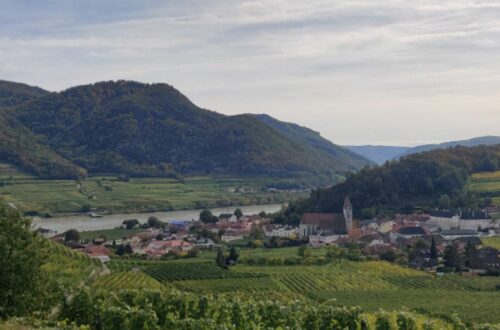
15 minutes read The Wachau Valley: let’s talk about one of my favorite places on Earth. Picture this: terraced vineyards, adorable little villages, and medieval castles watching over the Danube River. That’s the Wachau for you—a spot so special it’s a UNESCO World Heritage Site for its history and natural beauty. It’s part of Niederösterreich, or Lower Austria, which happens…
-
A Quick Guide to the best Austrian wine regions
19 minutes read Austria—a land of schnitzel, waltzes, and punctual trains. But did you know it’s also home to some of Europe’s most delightful wines? I didn’t either, at first. Years ago, while visiting my father in Vienna, I confidently ordered a beer, thinking I was blending in with the locals. The bartender gave me a polite but knowing smile…
-
What Is the Right Wine Serving Temperature (and Why It Matters More Than You Think)?
Serving wine at the right temperature can make or break your tasting experience. Too cold, and the wine’s aromas are muted; too warm, and all you taste is the alcohol. White wines — whether dry or sweet — should be served fresh, ideally between 7°C and 13°C depending on their body, while reds show their best between 15°C and 18°C.…
-
Austrian Wine Tasting in Vienna — My Honest Review of the Exclusive Wine Experience
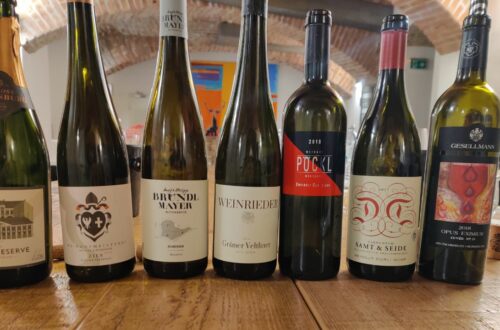
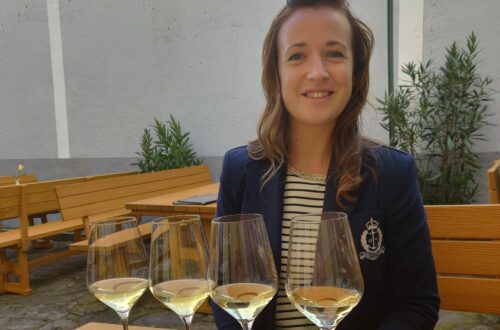
If you’re visiting Vienna and want to discover Austrian wines in a fun, relaxed setting, the Exclusive Wine Experience is a must-do. Hosted by Stylianos, a passionate wine expert, the tasting takes place in a cozy city-center cellar and includes six to eight wines — from crisp Grüner Veltliner and elegant Riesling to bold Zweigelt and Blaufränkisch — paired with…
-
History of wine in Austria
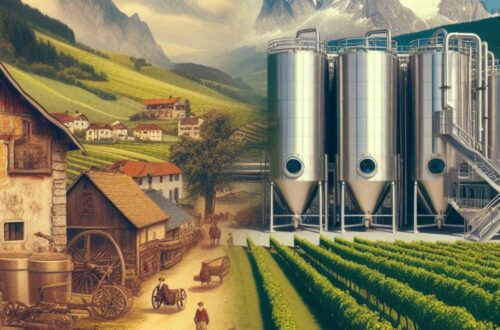
7 minutes read Most people are surprised when I tell them that Austria has one of the oldest wine traditions in Europe. Yet, vines have been growing here since the Bronze Age, around the 10th century BC — long before France or Italy became famous for their vineyards. The first traces of winemaking were found in the Traisental valley and…
-
What is the most common grape variety grown in Austria?
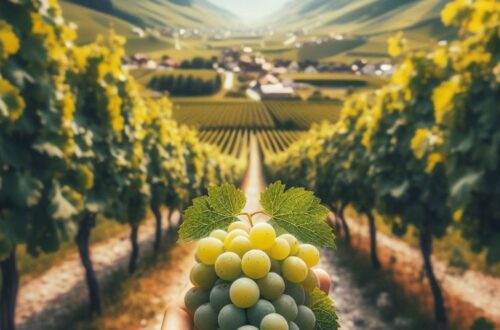
The most common grape grown in Austria is Grüner Veltliner. It’s fresh, pepper-kissed, and incredibly food-friendly. Start with a stainless-steel “Klassik” for zing, try a “Reserve” when you want more texture, and let your curiosity do the rest. One grape, many moods—welcome to the fun part of wine.
-
Train Your Nose Like a Pro with Le Nez du Vin Masterkit
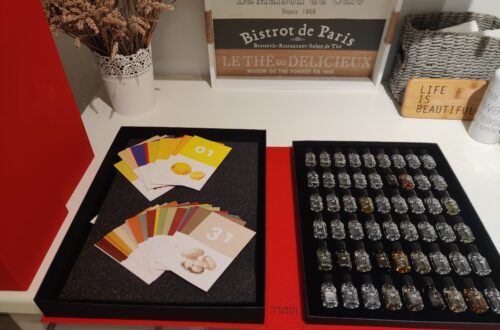
3 minutes read I’ve always found the smelling part of wine tasting the most difficult. In our modern lives, we’re not used to really using our nose anymore! Think about it: when you visit your grandparents in the countryside, fruit smells alive. Back home in the city? Not so much. Industrialization changed not only how fruit tastes — but also…
-
How to taste a wine like a pro (Simple Checklist + Pro Tips)
To taste wine like a pro, start by setting up a quiet, well-lit space with no distracting smells and take notes as you go. Check clarity, color, and intensity by tilting the glass over white paper. Smell first without swirling (the “first nose”), then swirl for deeper aromas (the “second nose”). Try to identify fruity, floral, spicy, or woody notes.…