
What is the most common grape variety grown in Austria?
5 minutes read
If you’ve ever wondered what is the most common grape grown in Austria, let me introduce you to Grüner Veltliner — the country’s white wine superstar and my personal crush when it comes to fresh, zesty wines.
It’s crisp, vibrant, and full of personality. Think lime zest, green apple, and a little white pepper twist that makes you go “oh, that’s interesting.”
Whether you’re just dipping your toes into Austrian wine or you’ve never heard the word “Veltliner” before, don’t worry — this is your friendly, beginner’s guide.
The most common grape grown in Austria is Grüner Veltliner. It’s fresh, pepper-kissed, and incredibly food-friendly. Start with a stainless-steel “Klassik” for zing, try a “Reserve” when you want more texture, and let your curiosity do the rest. One grape, many moods—welcome to the fun part of wine.
So, what exactly is Grüner Veltliner?
Grüner Veltliner (pronounced Groo-ner Felt-lee-ner) is the most planted grape variety in Austria, covering roughly a third of the country’s vineyards. That’s a lot of Grüner!
It’s a white grape that makes wines bursting with fresh acidity, citrus notes, and often a little hint of spice or pepper. When young, it’s light and energetic — the kind of wine you pour on a sunny afternoon. When aged, it becomes deeper and more layered, with notes of ripe pear, honey, and almond.
Most of the time, Grüner is fermented in stainless steel, which keeps it pure and fresh. But some winemakers experiment with old oak barrels to bring a creamy texture and subtle spice. Let me know in the comments what’s more your style.
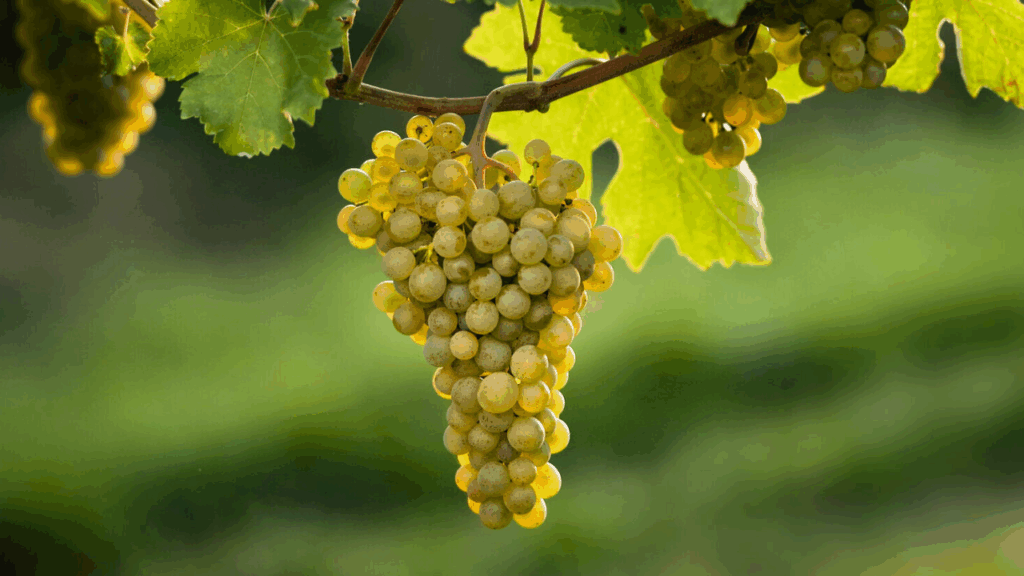
And here’s a fun fact: even though its name literally means “Green Veltliner,” the grape itself isn’t green — the “green” refers to the freshness you’ll taste in the glass.
Where it grows (and why it matters)
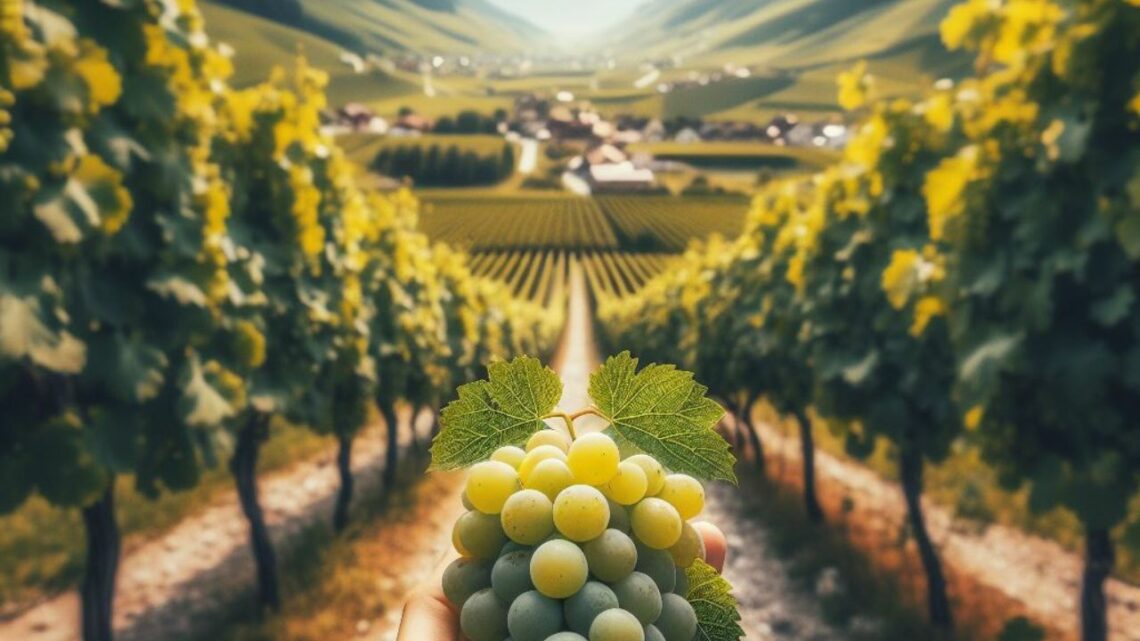
Austria might be famous for its mountains, but vineyards thrive mainly in the east of the country, where the climate is more gentle and continental — meaning cold winters and warm, short summers.
Grüner Veltliner grows best in regions like Weinviertel, Wachau, Kremstal, Kamptal, and Wagram. Each region gives the wine a slightly different accent.

In Weinviertel, where Grüner reigns supreme, wines are bright, citrusy, and peppery — the purest expression of the grape.
Wachau produces richer, more structured Grüners that can age beautifully, thanks to steep terraces, ancient rocky soils, and cool Danube breezes.
And in Wagram, you’ll often find rounder, fruitier styles grown on loess soils (that’s wind-blown sediment — soft and golden, perfect for vine roots).
So yes, same grape — but a completely different personality depending on where it’s from.
How to taste it (and why you’ll probably love it)
If you want to sound like a pro, swirl your glass and take a sniff — Grüner is famous for its fresh aromas of apple, pear, lemon, and sometimes herbs or white pepper. Take a sip and notice the high acidity — it’s what makes it so refreshing.
That acidity is also what makes Grüner an amazing food wine. It pairs effortlessly with so many dishes:
- Schnitzel (of course — it’s Austria!)
- Sushi and seafood
- Green vegetables like asparagus or artichokes (both notoriously hard to pair)
- Light curries or Thai food
- Anything crispy, herby, or creamy.
Basically, if it’s fresh or fried, Grüner will love it.

Why Grüner deserves a spot in your glass
Grüner Veltliner is Austria in a bottle: precise, elegant, and quietly confident. It’s approachable, full of charm, and versatile enough to please everyone at the table.
If you’re just starting to explore Austrian wines, start here. Open a Weinviertel DAC Klassik for a crisp, peppery style, or a Reserve if you want something rounder and richer.
And when someone asks you what is the most common grape grown in Austria, you’ll not only have the answer — you’ll have the perfect wine to pour while you explain.
Where to next?
Beginner’s Guide to Grüner Veltliner from Wachau
Dive into the region where Grüner gets laser-focused and age-worthy. You’ll meet “Klassik” vs “Reserve,” learn why terraces and the Danube matter, and pick up simple label cues.
How Terroir Shapes Grüner: Wachau vs Kremstal vs Kamptal
Same grape, three personalities: razor-sharp minerality, loess-grown roundness, and the elegant middle path. A fun, side-by-side way to train your palate.
The Best Food Pairings for Grüner Veltliner
From oysters and sushi to schnitzel and creamy dishes, here’s your plug-and-play pairing guide (plus veggie matches like asparagus risotto).
Top Grüner Producers in the Wachau
A quick intro to benchmark names—perfect for shopping lists, restaurant wine lists, and future travel plans.


You May Also Like

When To Visit Wachau Vineyards For Grüner Veltliner Tastings?
Cover Cropping In Austria