

6 Austrian Wines to Kickstart Your Year Right
Want classic & mineral? Alzinger Riesling
Want natural but clean? Heinrich Naked White
Want orange-lite / texture? Strohmeier TLZ Weiss
Want fun + iconic label? Gut Oggau Theodora
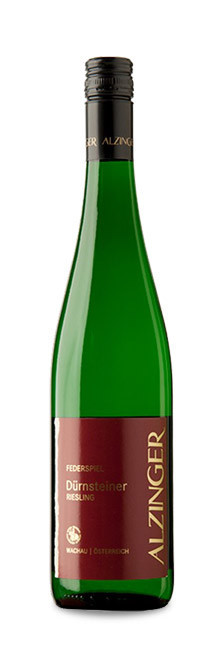
Alzinger Riesling Dürnsteiner Federspiel
Who are the Alzingers?
Alzinger is a small, family-run winery based in Unterloiben, at the far eastern edge of Austria’s Wachau Valley. The estate began bottling its own wines in 1983, under Leo Alzinger Sr., and is now in the hands of Leo Jr., one of the quiet stars of Austrian wine.
With only around 10 hectares under vine, everything is done by hand, and nothing is rushed. Alzinger wines are precise, restrained, and elegant — they don’t shout, but they linger in your memory. Their focus is mainly on Grüner Veltliner and Riesling, from some of the steepest and most mineral-rich vineyards in Austria.
What’s in the bottle?
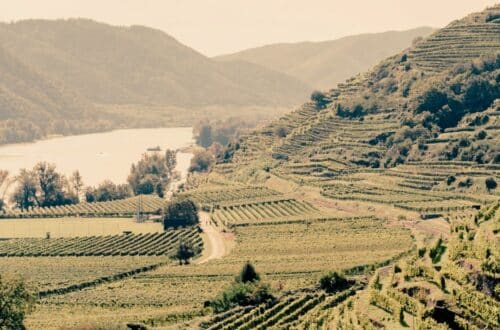
This wine is a Riesling Federspiel, meaning it’s dry, mid-weight, and typically around 12% alcohol. The grapes come from vineyards around Dürnstein, known for their terraced slopes and complex soils: a mix of gneiss, granite, schist, and clay.
The grapes are hand-picked, gently pressed, and fermented in stainless steel tanks with carefully selected yeasts. The wine is then clarified and filtered before bottling. No oak. No tricks. Just purity.
What to expect in the glass?
- Appearance: pale straw yellow with green reflections
- Aromas: citrus zest, white peach, jasmine, crushed stone
- Palate: clean and linear, with vibrant acidity, a mineral backbone, and a mouthwatering finish
If you like: Sancerre, dry Alsace Riesling, or even Chablis — this will feel like their alpine cousin: more subtle, more vertical, and very refreshing.
Expert take
This wine is a textbook example of terroir expression. The Wachau is marked by extreme topography: steep terraces that must be worked entirely by hand. The soils here matter:
- Gneiss & granite: contribute to the structure and that famous “rocky” salinity
- Schist: adds depth, spice, and tension
- Clay: gives just enough mid-palate roundness to avoid austerity
The diurnal range (hot days, cold nights) is also key — it allows Riesling to ripen fully without losing acidity, which is what makes this wine feel both energetic and composed.
What to pair it with?
- 🥗 Goat cheese salad with lemon vinaigrette
- 🍤 Grilled prawns with fresh herbs
- 🍜 Vietnamese summer rolls with shrimp or tofu
- 🧀 Soft cheeses like chèvre or fresh ricotta
This wine is ideal for light, aromatic dishes where acidity and freshness are welcome guests at the table..
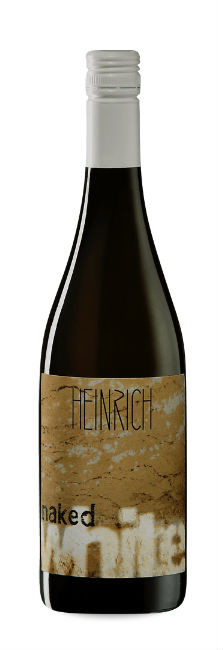
Heinrich – Naked Wine
Who are Heinrich?
Gernot and Heike Heinrich are among the pioneers of biodynamic viticulture in Austria. Based in Gols, on the northern edge of Lake Neusiedl (Burgenland), they’ve radically transformed their estate from a conventional operation into one of Europe’s most forward-thinking wineries.
The Heinrichs work with diverse soils (limestone, schist, loam, gravel) and aim to produce wines that express both place and philosophy. Their “Naked” line reflects their desire to strip wine down to its essentials: no additions, no interventions — just grapes and time.
What’s in the bottle?
Heinrich Naked White is a blend of Chardonnay, Pinot Blanc, and other local white varieties. The grapes come from vineyards on both the Leithaberg side (limestone and schist) and the Seewinkel side (gravelly soils with high humus content).
In the cellar:
- Grapes are harvested by hand, and whole clusters are macerated overnight
- Fermentation is spontaneous with wild yeasts
- The wine goes through malolactic fermentation and spends 14 months on the lees in large used oak barrels
- Bottled unfiltered, unfined, and with no added sulfur
What to expect in the glass?
- Appearance: slightly hazy, pale gold
- Aromas: apple skin, dried herbs, almond, lemon curd
- Palate: creamy texture, lively acidity, nutty depth, subtle salinity
If you like: unfiltered Chablis, Burgundy with a natural edge, or light Jura whites, this is your vibe. It’s textured but fresh, clean but slightly wild.
Expert take
The dual soil influence is key here:
- Limestone brings tautness and vertical acidity
- Schist adds structure and earthy nuance
- Gravel and humus provide aromatic lift and generosity
The extended lees aging contributes weight and roundness without oak dominance, while the no-sulfur approach reveals tiny oxidative notes that feel more savory than funky. The result is a wine that feels grounded and honest, with a subtle natural wine personality but no “mouse” or volatility.
What to pair it with?
- 🍗 Roast chicken with lemon & herbs
- 🍆 Miso-glazed eggplant or roasted root vegetables
- 🥟 Steamed dumplings with sesame-ginger sauce
- 🧀 Hard cheeses like Comté or aged Gruyère
This is a food-flexible wine — its acidity + texture combo makes it great with both earthy and umami-rich dishes.
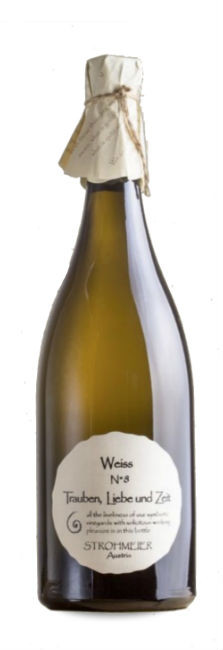
Strohmeier – TLZ Weiss
Who are the Strohmeiers?
Franz and Christine Strohmeier are among the most respected names in Austria’s natural wine movement. Their tiny 8-hectare estate is nestled in Styria (Steiermark), a lush, hilly region in the south of Austria often overlooked by international buyers — and unfairly so.
The Strohmeiers don’t just farm organically — they work with deep ecological conviction, using herbal teas, plant-based sprays, and biodynamic principles (without certification). They are known for their sparkling wines and still whites made with minimal intervention and maximal soul.
“TLZ” stands for Trauben, Liebe und Zeit — Grapes, Love, and Time — and it says everything you need to know about their philosophy.
What’s in the bottle?
TLZ Weiss Nº12 is a field blend of Chardonnay and Pinot Blanc, from vines averaging 12 years of age. The vineyards grow on gneiss soils rich in iron and silicon, and everything is harvested by hand.
In the cellar:
- The grapes are given a gentle 2-hour skin contact
- Fermentation is spontaneous with wild yeasts in 500-liter used oak barrels
- The wine is aged on the lees
- It is bottled without fining, filtration, or added sulfites
This is raw but refined — made without makeup, but with clear intention.
What to expect in the glass?
- Appearance: pale amber or hazy gold
- Aromas: dried apple, chamomile tea, white pepper, raw almond
- Palate: delicately tannic, herbal, with a soft mouthfeel and slightly savory finish
If you like: oxidative whites from the Loire, light Jura skin-contact wines, or even a Vin Jaune without the funk, this is a gentle yet deep introduction to minimal-intervention Austrian white.
Expert take
The short maceration gives the wine a whisper of texture — enough to add intrigue without crossing into full orange wine territory. The gneiss soils, rich in iron and silicon, bring a spicy mineral edge and a certain clarity on the finish. The moderate altitude and Styrian humidity allow for slow, aromatic ripening, but acidity stays firm.
The oak here is neutral, used only for texture and oxygen exchange — not flavor.
This is the kind of wine that changes as it breathes: decant it if you can.
What to pair it with?
- 🥗 Shaved fennel salad with lemon and olive oil
- 🧀 Soft goat cheese, Tomme de Brebis, or aged ricotta
- 🍄 Mushroom and tarragon tart
- 🍲 White bean stew with rosemary and olive oil
It’s a contemplative white, perfect for dishes with subtle herbal or nutty notes. Also excellent on its own when you want to slow down.
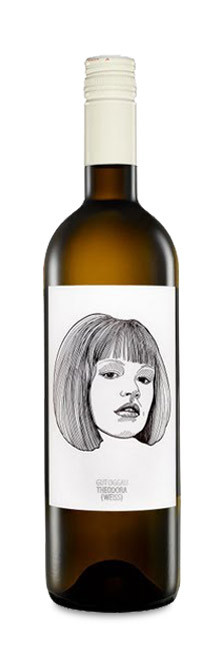
Gut Oggau – Theodora
Who are Eduard and Stephanie from Gut Oggau?
When Eduard and Stephanie Tscheppe took over a long-abandoned vineyard and 17th-century winery in Oggau in 2007, they didn’t just start making wine — they created an entire imaginary family of wines, each with a personality, a name, and a face.
Their estate is now legendary in natural wine circles. It’s biodynamically farmed, certified by Demeter, and all wines are made with zero additions, except for tiny amounts of sulfur on rare occasions.
Their goal? To reconnect wine with emotion, character, and place — and to make drinking it a memorable experience.
What’s in the bottle?
Theodora is one of the winery’s “younger generation” wines — playful, approachable, and full of life. It’s a blend of Grüner Veltliner and Welschriesling, sourced from 35-year-old vines grown on limestone and gravel soils near Lake Neusiedl, in Burgenland.
In the cellar:
- The grapes are harvested by hand
- Fermented spontaneously with native yeasts in old wooden barrels
- Aged for several months on the lees
- Bottled without fining, filtration, or added sulfites
It’s pure juice — nothing added, nothing taken away.
What to expect in the glass?
- Appearance: slightly cloudy pale gold
- Aromas: green apple, lime blossom, white pepper, wild herbs
- Palate: zesty and lively, with crisp acidity and a dry, herbal finish
🥂 If you like: white Burgundy but wish it were a little more rebellious — or if you love Loire Chenin, natural Veltliner, or the freshness of Txakoli — this is your girl.
Theodora is refreshing, tactile, and expressive without being weird. It has energy.
Expert take
This wine is all about balance between terroir and personality. The limestone gives linearity and brightness, while gravel adds aromatic lift and a certain “crunch.” The old vines (35+ years) bring depth despite the wine’s easy-drinking style.
The cool microclimate of the Seewinkel region helps preserve acidity, even with full ripeness. And thanks to the low-intervention winemaking, you get a pure snapshot of the vintage and site.
Bonus: Theodora always tastes alive. She evolves in the glass and keeps you guessing.
What to pair it with?
- 🍗 Roast chicken with lemon and thyme
- 🌱 Grilled asparagus or baby artichokes
- 🥪 Herb-loaded veggie sandwiches with goat cheese
- 🧀 Young Comté, feta, or salty fresh cheeses
This is a flexible white — great with spring vegetables, bright herbs, or anything zesty.
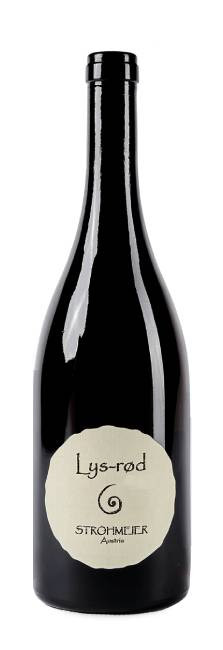
Strohmeier – Lys
Who are the Strohmeiers?
You’ve met Franz and Christine Strohmeier already through their TLZ Weiss — but their work is just as fascinating on the rosé side. Their estate, located in the Lestein area of Styria, is tiny (just 8 hectares), but their influence is global among natural wine lovers.
Their wines are natural, biodynamically farmed, and made with the utmost care: no additives, no sulfites, and no shortcuts. Everything is about purity, balance, and trust in nature — and it shows.
What’s in the bottle?
This is a rosé made from 100% Blauer Wildbacher, a local Styrian variety that’s traditionally used for Schilcher, the region’s crisp, acidic rosé.
In this cuvée:
- Grapes are grown on iron- and silicon-rich gneiss soils, hand-harvested
- After a short maceration, they are spontaneously fermented in old wooden barrels
- Bottled unfiltered, unfined, and without sulfites
- This is the 33rd version — hence the Nº33
The Strohmeiers don’t aim for consistency — they aim for truth. Each vintage reflects the year, the soil, and the mood of the vineyard.
What to expect in the glass?
- Appearance: light ruby with a hint of haze
- Aromas: wild strawberry, rhubarb, crushed herbs, and a little pepper
- Palate: tangy acidity, low alcohol, savory edge, crunchy red fruit
🥂 If you like: Bandol rosé, Loire Pineau d’Aunis, or natural Gamay, this will feel like a more untamed, Alpine cousin. Refreshing, dry, and full of tension — it’s not about sweetness, it’s about grip.
Expert take
Blauer Wildbacher is known for its high natural acidity, and it thrives in Styria’s cool, humid climate. The gneiss soils rich in iron add minerality and a metallic edge, while the careful short maceration gives the wine just enough color and tannin for structure without heaviness.
Because there’s no sulfite addition, you get a wine that’s very much alive — bright, kinetic, and nervy. It’s best enjoyed chilled but not ice-cold, and ideally in a big glass that lets it breathe.
What to pair it with?
- 🥧 Tomato tart or pissaladière
- 🐟 Grilled trout or sardines with lemon and herbs
- 🥗 Beet salad with horseradish and goat cheese
- 🧀 Alpine cheeses like Tomme de Savoie or even Reblochon
Perfect for late summer lunches, or for those days when you want a rosé with a real backbone.
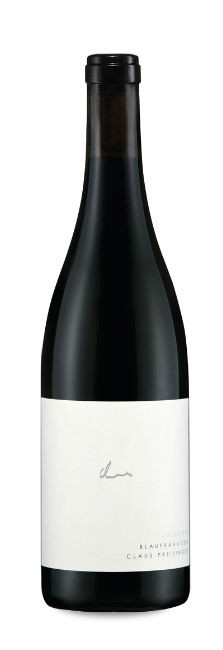
Claus Preisinger – Kalkstein Blaufränkisch
Who is Claus Preisinger?
Claus Preisinger is a poster child for modern Austrian wine — rooted in tradition, but with a rebellious spirit. He started making wine at age 20, working first with Hans Nittnaus before launching his own estate in Gols, on the north shore of Lake Neusiedl.
Today, Claus farms 19 hectares organically and biodynamically. He’s known for his experimental cuvées (often in amphora), striking minimalist labels, and his role in the Pannobile group, which promotes terroir-focused wines from Burgenland.
Claus’s wines are pure, low-intervention, and always full of energy — and his Kalkstein Blaufränkisch is one of the most accessible (and delicious) ways to enter his world.
What’s in the bottle?
This wine is made from 100% Blaufränkisch, Austria’s flagship red grape. The fruit comes from vineyards rich in limestone (Kalkstein) soils — full of ancient marine fossils — which help shape the wine’s character.
In the cellar:
- Grapes are hand-picked and fermented with native yeasts in stainless steel
- The wine is aged in used oak barrels for 6–8 months
- Bottled without fining, filtration, or sulfites
This is natural wine with finesse, not funk — just fruit, soil, and a lot of intention.
What to expect in the glass?
- Appearance: deep garnet with purple highlights
- Aromas: sour cherry, blackberry, crushed violet, and a hint of pepper
- Palate: light-to-medium body, juicy acidity, fine tannins, and a mineral, almost chalky finish
If you like: Pinot Noir from Burgundy, Cabernet Franc from Loire, or cool-climate Syrah, this will hit that same earthy, savory, and drinkable zone — but with a different twist.
Expert take
Blaufränkisch thrives in limestone soils, which give the wine lift, precision, and salinity. The grape naturally brings acidity and freshness, even in warmer years, and Claus’s restrained winemaking keeps that energy intact.
There’s no oak flavor here — just gentle oxygenation from old barrels to soften the edges. The result? A red that feels alive, digestible, and deeply rooted in its landscape.
This is a wine that doesn’t shout — it whispers with clarity.
What to pair it with?
- 🍄 Mushroom risotto or lentil ragù
- 🧀 Alpine cheese board with Comté, Gruyère, and smoked ham
- 🍗 Roast duck with cherries or plums
- 🥪 Toasted sandwiches with raclette and pickled onions
This is your go-to for comfort food with elegance — wines like this make dinner feel a little more intentional.
Some links are affiliate links. If you buy through them, I may earn a small commission at no extra cost to you. Thank you for supporting independent wine content.


2 Comments
Simon
Bien reçu mon panier de rentrée!
Merci @WineByMademoiselle pour ces belles recommandations Autrichiennes! Hâte d’avoir l’occasion de découvrir chaque bouteille à la lumière de tes précieux conseils, car c’est à chaques fois des découvertes exeptionnelles!
Impatient de lire tes prochains articles et de continuer d’élargir mes horizons grâce à tes suggestions!
Mademoiselle
Merci infiniment Simon pour ce retour si enthousiaste! 🥰 Je suis ravie que le panier de rentrée te plaise et que les recommandations autrichiennes aient éveillé ta curiosité. Chaque bouteille a été sélectionnée avec soin, et savoir que tu as hâte de les découvrir illumine ma journée. 🌟
Je suis tout aussi impatiente de partager mes prochains articles avec toi, et de continuer cette belle aventure ensemble! N’hésite pas à me faire part de tes impressions une fois que tu auras dégusté ces petites pépites. 🍷
À très bientôt pour de nouvelles découvertes et de belles explorations vinicoles!