Neusiedlersee Wine Region: Austria’s Sweet-Wine Paradise (and a Red Wine Playground)
10 minutes read
Let me guess why you’re here.
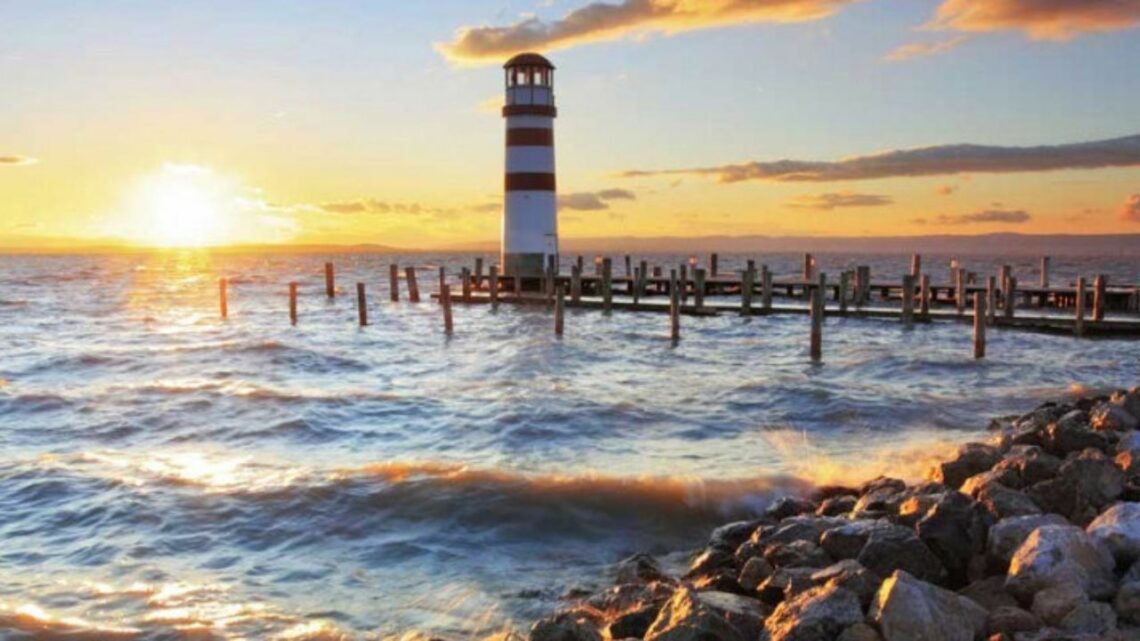
You’ve heard whispers about a lake in Austria where fog and sunshine team up to create some of the best sweet wines on Earth… and now you keep seeing one word pop up: Neusiedlersee.
Maybe you’re planning a trip to Burgenland.
Maybe you spotted a Trockenbeerenauslese on a wine list and thought: Okay wait… where is this magic coming from?
Or maybe you just want to understand why Burgenland is such a big deal — beyond Grüner Veltliner and Vienna wine bars.
Either way: you’re in the right place.
Because the Neusiedlersee wine region is not just “a lake with vineyards around it.” It’s one of Austria’s most fascinating wine zones: it can do balanced whites, generous reds, and botrytised sweet wines so complex they taste like dessert and philosophy in the same sip.
Let’s dive in — in a fun, non-snobby way — but with all the juicy details.
The Neusiedlersee wine region in Burgenland, Austria, is famous for its diverse high-quality wines: balanced dry whites, rich reds, and world-class sweet wines. The secret weapon is the lake’s microclimate — especially in Seewinkel, where shallow water, autumn mists and noble rot create exceptional botrytised wines. The key white grapes are Pinot Blanc, Chardonnay, Grüner Veltliner and Welschriesling. Reds are dominated by Zweigelt, supported by Blaufränkisch, St. Laurent, Pinot Noir and other international varieties. The Neusiedlersee DAC focuses exclusively on Zweigelt, and the region is also home to the Pannobile group, created in 1994 by several leading wineries. Top producers include Paul Achs, Juris, Kracher, Hans & Anita Nittnaus, Gerhard Pittnauer, Pöckl, Claus Preisinger and Moric.
Overall presentation of the Neusiedlersee wine region
Before we zoom into Neusiedlersee, quick context.
Burgenland is Austria’s warm, generous playground — the region where reds get bold, and sweet wines become pure art thanks to the lake. It’s also where the DAC system reshaped the map, dividing Burgenland into different appellations such as: Leithaberg, Neusiedlersee, Mittelburgenland, Eisenberg, and Rosalia.
And yes — Eiswein exists near the lake, but the best examples are usually found in the Weinviertel, and of course in Germany and Canada too.
But now… back to our lake star: Neusiedlersee.

Geographically, the wine region stretches from Neusiedl to Gols on the northern shores, then down to Podersdorf, Illmitz, Apetlon and Pamhagen in the south — and to Andau, Frauenkirchen and Mönchhof on the eastern side.
Wine-wise, this place is the full package. Here you can find:
- dry white wines with body and balance
- full-bodied red wines
- and thanks to the Seewinkel microclimate, some of the greatest sweet wines in the world
Seewinkel: the warm heart of the region
The Seewinkel area sits on the eastern side of Burgenland. It’s the largest and warmest of the four zones, spanning 6,675 hectares of vineyards, with slightly over half planted with white grape varieties.
And if you’re doing tastings (or honestly just enjoying life), Neusiedlersee is also one of those regions where wine can be part of a bigger holiday vibe: cycling, horseback riding, water sports… it’s all possible here.
Terroir of Neusiedlersee : soil and climate
Neusiedlersee is basically the region where nature decided to go full wine nerd. Because the magic comes from a very specific combo: warmth + humidity + a shallow lake.
The summers are dry and warm (hello ripe grapes), and the lake creates humidity that makes vines feel like they’re living in a spa. Which sounds relaxing… until you remember humidity is also what helps noble rot develop.

The lake effect: botrytis, every year (yes, really)
On the eastern side of the lake especially, mist and fog form in autumn — and this is where botrytis (noble rot) can show up like clockwork.
And Lake Neusiedl isn’t alone. The evaporation from Neusiedlersee + 47 surrounding lakes and ponds is estimated at about 40% of its volume during summer, creating seriously high humidity.
This humidity is one of the key reasons why Neusiedlersee sweet wines can reach such insane complexity.
Seewinkel: gravel, warmth, lower acidity
The southern part of the region, Seewinkel, is gravelly and famous for producing the best sweet wines.
It’s influenced by the Pannonian climate coming from the Hungarian plains — warm summer days and limited temperature fluctuations.
The result? Grapes ripen easily, sweetness builds beautifully… but the acidity tends to be lower than on the other side of the lake.
And the soils?
They’re diverse, but the key trio is: sand + gravel + loam.
Sandy and gravelly soils are a little tricky: they can produce wines with lower acidity and jammy flavours, which is why Neusiedlersee dry wines don’t always have the same finesse as Leithaberg.
But for sweet wines? It’s a terroir jackpot.
So… what does this mean in the glass?
Okay. Quick pause.
Because you didn’t click on this post to hear about evaporation percentages
You clicked because you want to know: what will I taste?
Here’s the real takeaway:
1) Neusiedlersee = sweet-wine heaven (because botrytis is reliable)
The lake creates the perfect rhythm: morning fog → afternoon sun → grapes dry out → botrytis concentrates everything.
So instead of rot ruining the harvest, it becomes a controlled magic trick.
That’s why Neusiedlersee can produce sweet wines that taste like:
- apricot jam
- candied orange
- honey, saffron
- tropical fruits
- with endless layers
And no, it’s not “cute dessert wine.” These bottles can be serious, age-worthy treasures.
2) Dry wines here are warmer, rounder, more generous
Because of the warmth and the soils, dry wines (especially reds) often feel:
- ripe and juicy
- sunny in style
- softer tannins
- very easy to love
This is the kind of region where you open a Zweigelt “just for fun”… and suddenly your bottle is empty.
3) The vibe difference in one sentence
If Leithaberg is “mineral and serious”… Neusiedlersee is ripe and joyful.
Not better. Not worse. Just a totally different mood.
And yes — if you wonder why two wines made from the same grape can taste completely different… the answer is still under your feet.
(If you want the deep dive without turning it into a geology exam: How does soil affect the taste of wine?)
Grape varieties
Neusiedlersee is often associated with sweet wines… but this is not a one-style region.
White grapes
Leading white grape varieties include: Weissburgunder (Pinot Blanc), Chardonnay, Grüner Veltliner, and Welschriesling.
Red grapes
White wines are prominent here, but red wines matter too. Reds are produced mainly from:
Blauer Zweigelt, accompanied by Blaufränkisch, St. Laurent, Pinot Noir, and other international “immigrant” varieties.
Neusiedlersee DAC
Neusiedlersee DAC has existed since the 2011 vintage and covers the administrative district of Neusiedl am See, with the exception of the communes of Winden and Jois.
This is a very practical DAC, built around one clear idea: Zweigelt is the key grape here. In fact, Zweigelt dominates the region, covering 1,812 hectares, and it is the only grape allowed for Neusiedlersee DAC wines. If you see Neusiedlersee DAC on a label, you know exactly what you’re getting — a red wine rooted in Zweigelt, no guessing involved.
For classic Neusiedlersee DAC, wines must be made from 100% Zweigelt and require a state control number from February 1st of the year following the harvest.
For a more ambitious style, there is Neusiedlersee DAC Reserve, where Zweigelt remains dominant but can be blended, as long as it makes up at least 60% of the wine, with indigenous grape varieties allowed as blending partners.
Reserve wines are released later and require a state control number from February 1st of the second year following the harvest. In terms of structure, Neusiedlersee DAC wines must reach at least 12.0% alcohol, while Reserve wines require a minimum of 13.0%, ensuring more richness and maturity. All wines are dry, with residual sugar capped at 4 g/l, keeping the style clean and focused.
In the glass, Neusiedlersee DAC wines are typically fruity and spicy, and maturation can take place in stainless steel tanks or oak barrels, depending on the producer’s style.
Neusiedlersee DAC Reserve wines follow the same aromatic profile but with a fuller body and are traditionally aged in large oak barrels, adding structure without overwhelming the fruit.
Alongside the DAC system, the region is also known for the Pannobile label, created in 1994 when several estates joined forces to promote a strong regional identity. Today, Pannobile brings together nine wineries: Judith Beck, Claus Preisinger, Helmuth Renner, A and H Nittnaus, Andreas and Hans Gsellmann, Gernot Heinrich, Gernot Leitner, Gerhard Pittnauer, and Paul Achs — names that often come up when people talk about serious, characterful reds from Neusiedlersee.
Wineries in Neusiedlersee
Now let’s talk producers — because this region is full of personalities.
Paul Achs
Paul Achs worked in Sonoma and took over his family estate in 1990. He specialises in red wines (80% of production), and he shines particularly with Blaufränkisch, especially in single-vineyard expressions.
His sites are also a terroir lesson in the glass:
- “Ungerberg” (sandy loam soils)
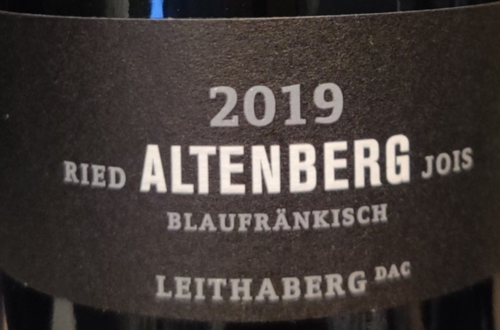
- “Altenberg” (gravel, iron and fossil limestone soils)
- “Spiegel” (chalk soils)
A brilliant way to appreciate the impact of soil on wine.
Juris
Juris, led by Georg Stiegelmar, is a pioneer of Strohwein (straw wine). Since his son took over in 1995, the estate has changed a lot.
I’m not particularly fond of the whites, but I really like their Saint Laurent Reserve.
One of the most famous wines is “St Georg,” a blend of Saint Laurent and Pinot Noir — structured, high acidity, spicy finish.
Kracher (the god of sweet wines)
Kracher is an icon. A pharmacist by training, he also produced wine at his father’s estate in Illmitz.
Two-thirds of his vineyards are on gravelly soils, the rest on sandy soils that heat quickly during the day and cool quickly after sunset.
He learned from the best: Pierre Meslier (cellar master at Château d’Yquem) and Egon Müller (Scharzhof, Saar). He worked with low yields, vinifying and ageing each half-day’s picking separately.
His Trockenbeerenauslese wines come in two styles:
- “Zwischenden Seen”: reductive style aged in neutral acacia barrels
- “Nouvelle vague”: a more international approach
Kracher also did joint ventures with Manfred Krankl (Sine Qua Non, California), Schwarz (Burgenland red producer), Heidi Schröck, and Ordonez in Malaga.
Hans and Anita Nittnaus
They produce the Red Pannobile: Zweigelt + Blaufränkisch aged in new oak.
Their top Blaufränkisch is Tannenberg, sourced from four parcels of old vines on slate and limestone slopes near Jois.
They’re also known for “Commodor,” which used to include Cabernet Sauvignon but now is 85% Merlot + 15% Blaufränkisch.
Gerhard Pittnauer
Minimal intervention winemaking. His notable wines include:
Pinot Noir “Fuchsenfeld”, Blaufränkisch “Rosenberg” (aged in tonneaux ~16 months), and St. Laurent “Alte Reben.”
Pöckl
Known for complex reds and excellent Trockenbeerenauslese. Their Zweigelt has long been rated superior to Blaufränkisch.
The Mönchhof vineyard has varied soils: sand, gravel and iron.
Claus Preisinger
Biodynamic estate, super-modern cellar, total non-interventionist approach. Known for Pinot Noir — concentrated, sometimes austere.
Weingut Moric: Roland Velich, the terroir rebel
Roland Velich represents Burgenland’s transformation.
He began with sweet wines at the family estate in Apetlon, then became fascinated by Blaufränkisch’s ability to express terroir and started making “wines from terroir.”
His old-vine plots in Neckenmarkt and Lutzmannsburg produce ethereal wines — elegant, Burgundian in spirit, but clearly rooted in Burgenland.
He often clashes with official panels. His wines can miss DAC status because they don’t match the clean, filtered, sulfur-heavy style expected. He labels them simply as Österreich / Austria.
Asked why he keeps fighting: because place matters more than categories.
Velich also has a white-wine story I love: he planted Chardonnay thinking it was Weissburgunder (Pinot Blanc). Yields are low (rarely above 35 hL/ha), fermentation is with native yeasts, and the wines age long on lees.
“Tiglat” is famous in Austria — limestone-rich, barrel fermented — and the estate also produces excellent Trockenbeerenauslese.
Conclusion : Neusiedlersee wines
The Neusiedlersee wine region in Burgenland offers one of Austria’s richest combinations of terroir, climate and wine styles.
The region produces dry whites with body and balance (marketed as Qualitätswein under Burgenland), full-bodied reds, and world-famous sweet botrytised wines — especially thanks to Seewinkel and the lake’s microclimate.
White grapes include Pinot Blanc, Chardonnay, Grüner Veltliner and Welschriesling. Reds are dominated by Zweigelt, supported by Blaufränkisch, St. Laurent, Pinot Noir and international varieties.
Neusiedlersee DAC focuses exclusively on Zweigelt, and the region is home to exceptional wineries such as Paul Achs, Juris, Kracher, Hans & Anita Nittnaus, Pittnauer, Pöckl, Preisinger and Moric.
In short: if you want a region that feels warm, generous and wildly exciting — with sweet wines that can honestly blow your mind — Neusiedlersee is calling.
Where to next?
Burgenland is Austria’s sunshine region: bold reds, legendary sweet wines, and terroirs that change everything from one hill to the next.
If Neusiedlersee feels ripe and generous, Leithaberg is its sharper, more mineral cousin — especially for Blaufränkisch lovers.
How does soil affect the taste of wine?
Ever wondered why two wines from the same grape can taste wildly different? Spoiler: it’s what’s under your feet.


You May Also Like
How do you identify a Blauer Zweigelt red wine from Austria?
Understanding Blaufränkisch Labels From Burgenland